
SOCIETY
18-02-2026 by Freddie del Curatolo

In Kenya today, skin is no longer just skin.
For centuries, only its color mattered, gradually transforming it into a stigma, a resurrection, and a source of pride.
Today, it continues to be a battlefield, but in a different sense.
Between the relentless equatorial sun, city smog, improvised diets, and TikTok tutorials, the skin of young people—and not only them—has become sensitive, irritated, hyperpigmented, and tired. Like a peeling wall trying to hold up a building that is too heavy.
For years, skincare has been a kind of African lottery:
a cream today, a serum tomorrow, advice from a friend the day after tomorrow, an influencer the week after.
Attempts. Mistakes. Damaged skin. Start again.
Now, however, something is changing.
According to industry data, the Kenyan skincare market is slowly shifting from ‘let's try and see’ to ‘let's study and understand’. By 2026, it could reach $125 million. Not out of vanity. Out of necessity.
Because acne affects up to 38% of urban teenagers.
Because the spots won't go away.
Because eczema is not a dictionary word, but a daily presence.
And because the sun here is unforgiving.
When even the skin gets tired
Nairobi, Mombasa, Malindi.
Boys with their faces covered in layers of products.
Girls who avoid the beach for fear of blemishes.
Employees who look in the mirror as they would look at a bank account in the red: with concern.
Skin has become a social metaphor.
It says who you are.
It says whether you can afford a dermatologist.
It says whether you buy from the pharmacy or the market.
It says whether you are informed or neglected.
And in the midst of all this, comes the voice of those who try to bring things back down to earth.
Like Dr. Roop Saini, of the Kenya Association of Dermatologists:
“The problem today is that we do too much.
Skin needs help, not bombardment.”
Translated: less panic, less random chemicals, less fads.
More balance. More simplicity.
A silent revolution in a country that is always on the run.
From the market to the pharmacy
For a long time, the path was this:
salesperson → promise → disappointment → scar.
Unlabeled creams.
Counterfeit products.
Miracle serums sold in plastic bags.
Today, more and more people are going to the pharmacy.
They ask questions.
They compare.
They seek information.
It's not just a health issue.
It's a matter of trust.
The pharmacy becomes a refuge in a sea of scams.
And even large companies have noticed this.
Such as the French Pierre Fabre Group, with the Avène and Ducray brands, which sees Kenya as fertile ground for ‘clinical skincare’, as Pierre Behnam explains.
In simple terms: people here have learned to be wary.
The internet, the new dermatologist (with flaws)
Then there is the other major player: the internet.
YouTube, Instagram, forums, WhatsApp groups.
An ocean of advice.
Half of it useful. Half of it disastrous.
But at least now people know that there is a difference between marketing and medicine.
They look for ingredients.
They read labels.
They discover that ‘natural’ does not mean ‘safe’.
It is a form of skin literacy.
Like learning to read, but on your face.
The skin as a litmus test for the country
Behind all this, however, there is something deeper.
The skin tells the story of Kenya today.
A young, stressed, exposed country.
A country that is informed but remains fragile.
A country that wants to be well, but often doesn't know how.
Those who have money take care of their skin.
Those who don't, suffer.
Those who live in clean neighborhoods protect themselves.
Those who breathe smog fight.
Here too, as always, inequality goes beneath the skin.
It's no longer a game
The message from doctors is simple: skincare is not a hobby.
It is not a pastime.
It is not a fad.
It is health.
Because every neglected blemish becomes a problem.
Every ignored sunburn becomes a price to pay.
Every repeated mistake becomes a scar.
And so yes: today in Kenya, skincare is no longer a gamble.
Either you do it right.
Or you pay slowly.
Silently.
On your face.
Like so many other things in this country.


NATURE
by redazione
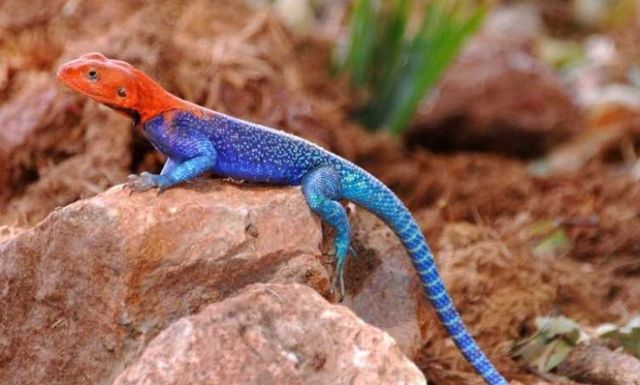
Mood in Kenya is really an essential component of life and not just for man, who often finds "sense of peace" or the meaning of his earthly path. Science now tells us that some animals can completely change the features...
by Freddie del Curatolo
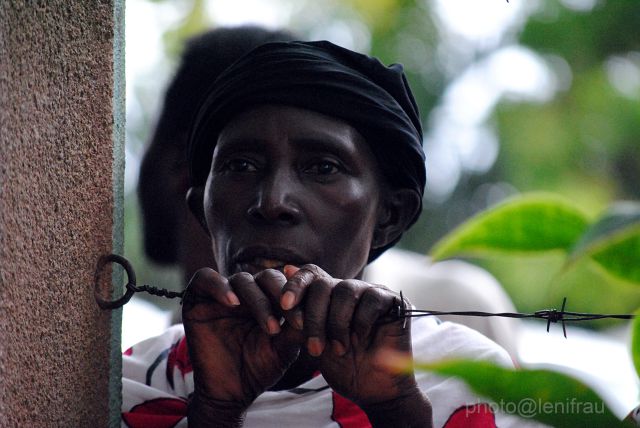
I don't really know what war is, but I imagine it.
There is...

You can find it in local markets, or see it bend the branches of the plant on which it matures, the Annona muricata.
It may seem difficult to you with its spines and huge (a single fruit can reach 2...
ITALIAN ACTIVITIES
by redazione

Finally, Watamu has a beauty salon capable of meeting everyone’s needs—not just women’s, but...
EXHIBITION
by redazione

Starting on Tuesday at the Gonzaga Institute in Palermo a photographic exhibition on Kenya entitled...
TSAVO FRIENDS
by Giovanna Grampa

Finally it came the rain after more than eight months of drought.
Tsavo was drying up day after day, forcing his animals to prolonged suffering in desperate search of food and water for their survival.
WATAMU SERVICES
by redazione

Palm Lux Beauty Studio is fast becoming one of Watamu’s go-to destinations for beauty...
KENYA NEWS
by redazione

During Madaraka Day celebrations in Bungoma township on Saturday, Kenyan President William...
NEWS
by redazione

Fatuma Freedom Precious does not have it done.
She passed away last night in Mombasa, where she had gone for the umpteenth checkup.
FASHION AND SHOPPING
by redazione
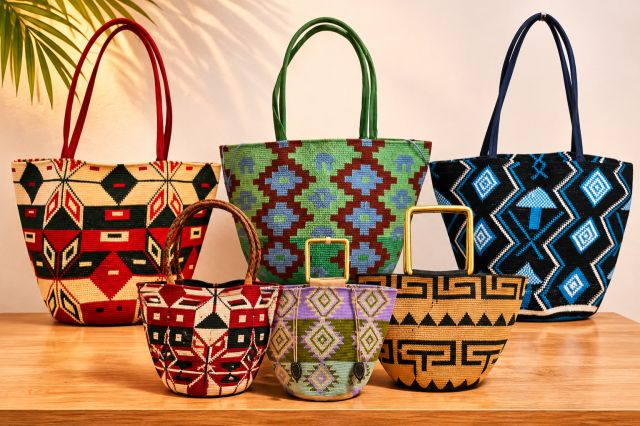
The new collection of ethno-chic bags from Wild Side Shop is a true spectacle of colour, originality and...


