
PHOTOGRAPHIC
24-10-2025 by Freddie del Curatolo

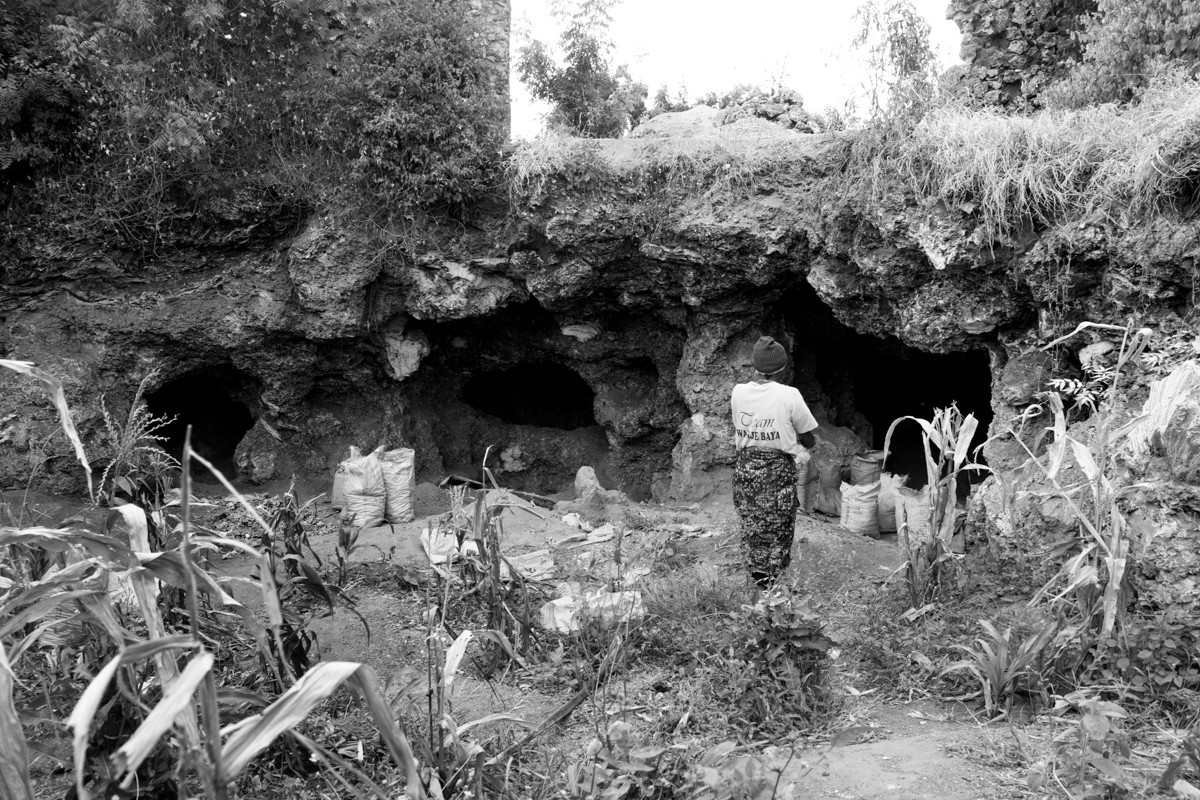
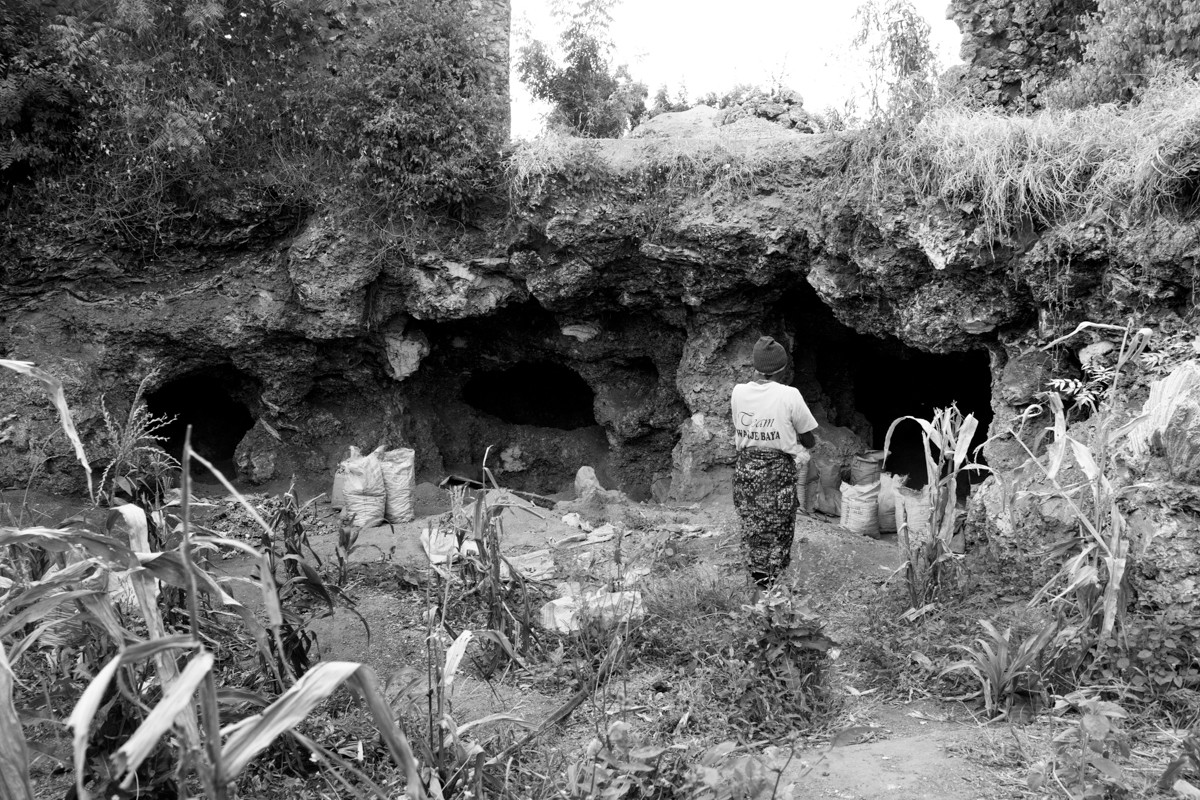
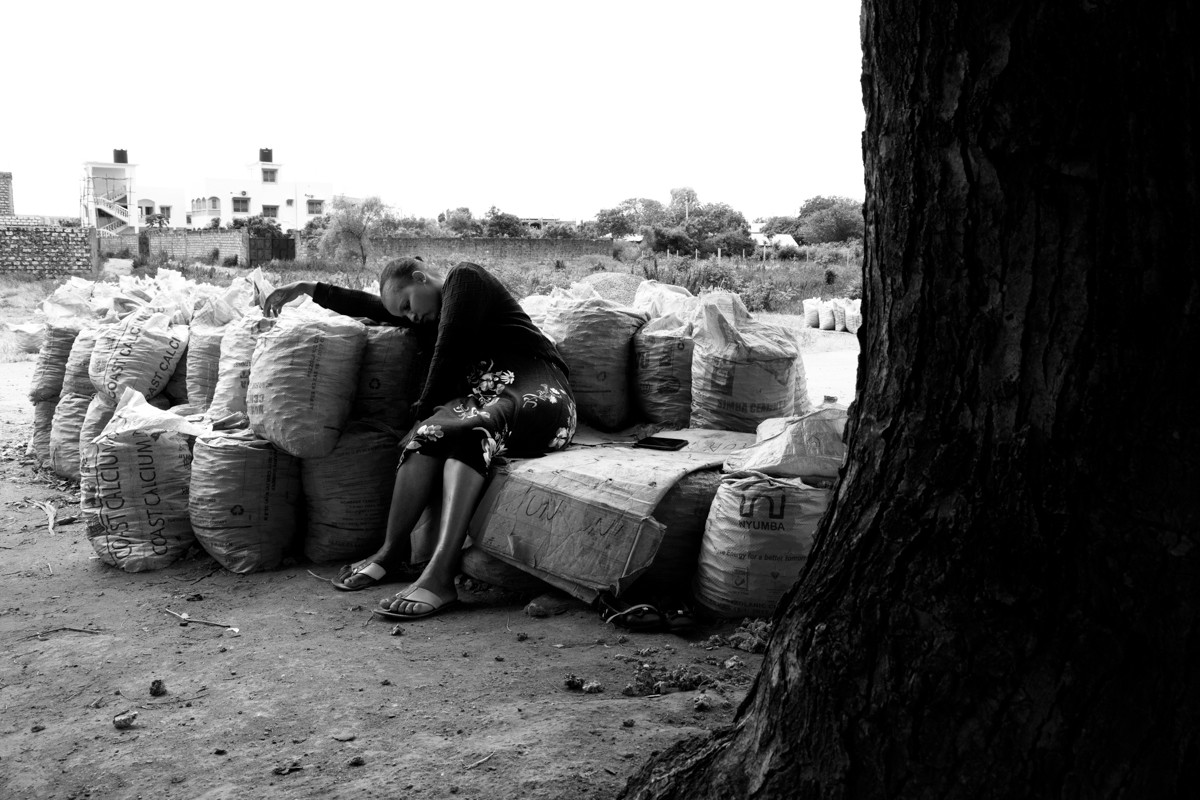
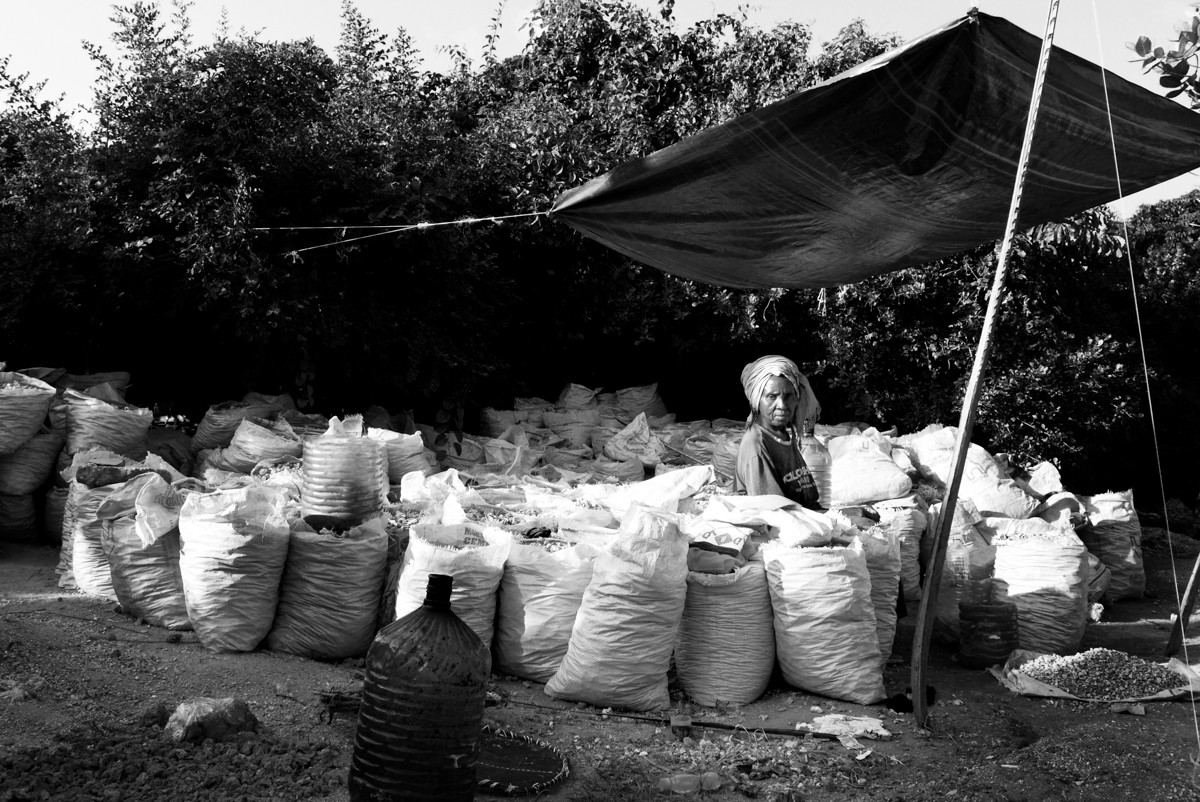
The daily struggle for survival of the women of Malindi who break coral stones in quarries and on the roadsides of this coastal town has for years been one of the symbols of poverty and exploitation of female labour, but also of the incredible resilience of the Swahili and Giriama “mamas” who, with the proceeds of their hard work, send their children to school and manage to put a little food on the table.
Apulian visual artist Mari Verriello, who has been visiting Kenya for years and has exhibited in Italy, Germany and Mexico in the past, wanted to portray these women and their hard day's work as a symbol of a country that, despite its continuous growth, is failing to adapt its activities to more humane and modern forms of employment.
The result is an intense photographic exhibition full of neorealism, thanks in part to the use of black and white. Mari herself talks about it on Malindikenya.net
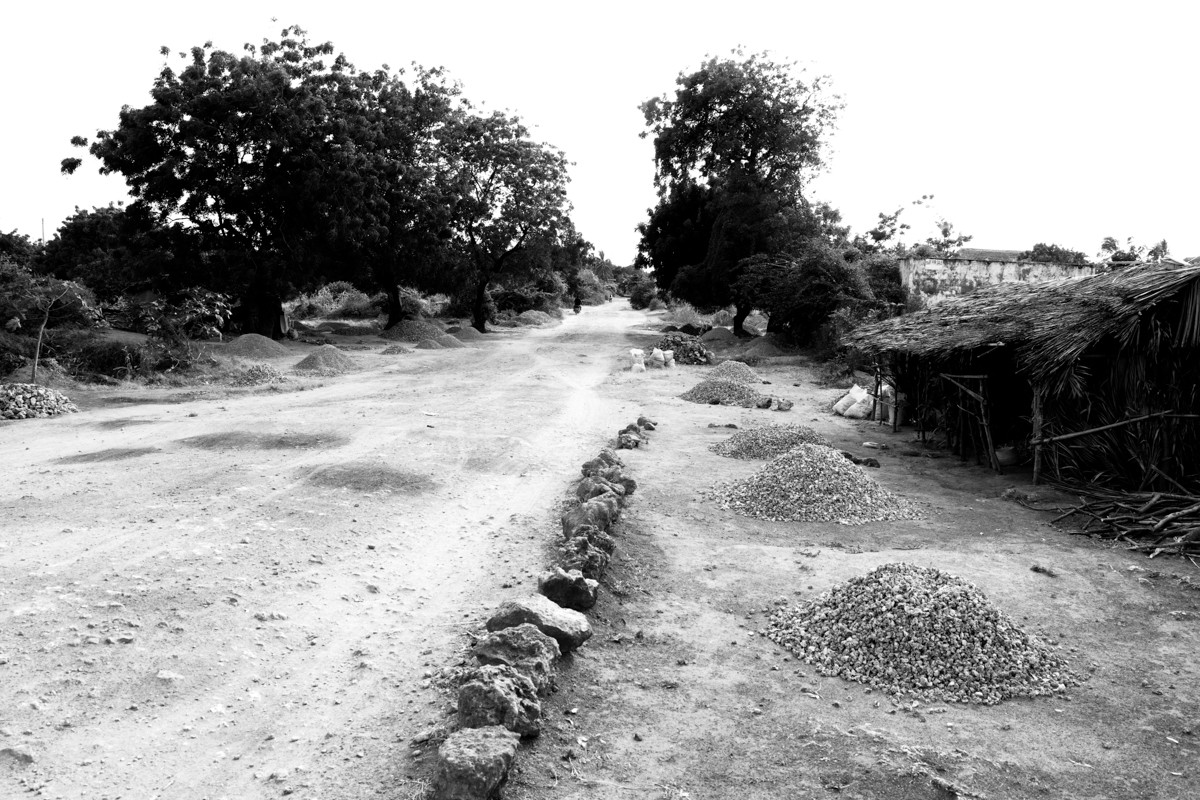
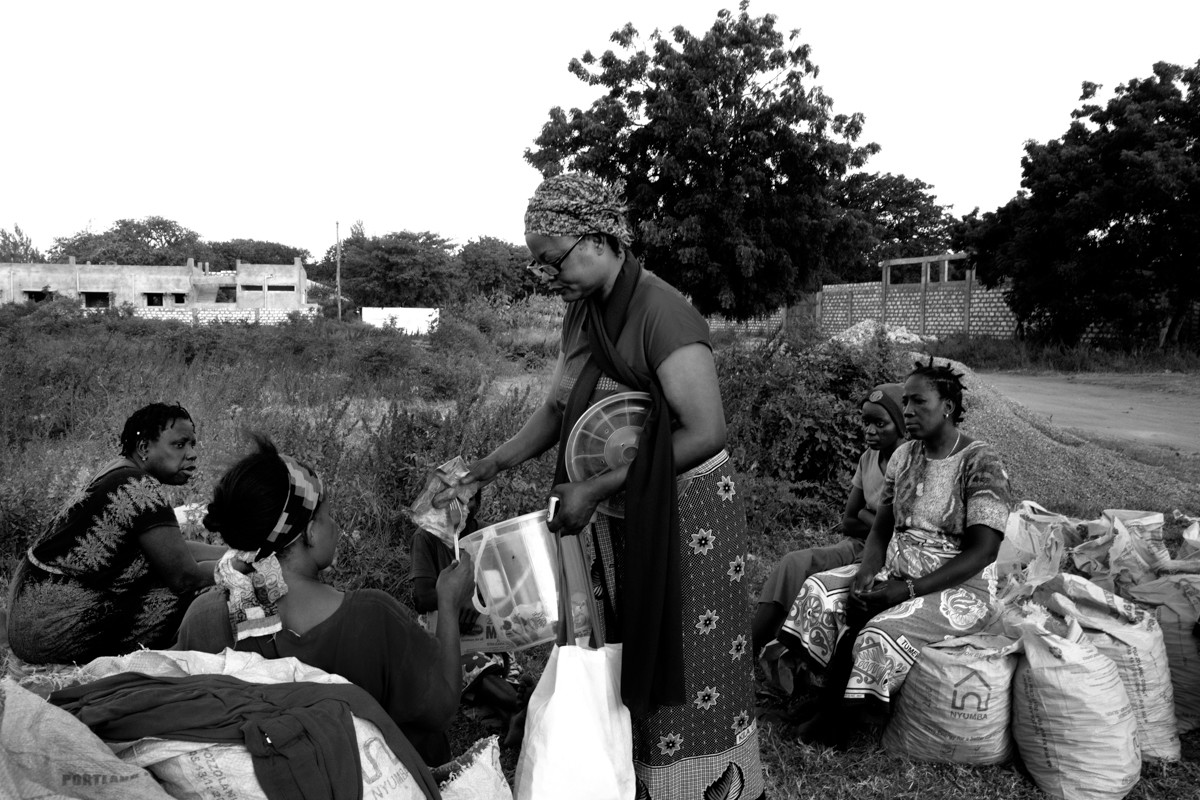
'Every day, a community of about seventy women in Muyeye, one of the many poor suburbs of Malindi, face the hard work of breaking coral fossils as a source of income, taking advantage of the city's construction boom. They gather in groups along the streets where, armed with hammers and chisels, they break the stones into smaller pieces called Kokote. For many of them, this work has become a lifestyle choice, a response to the economic challenges of making a living, even though these quarries are mostly illegal," says the artist, born in 1980, who graduated in Marketing and Communication in Milan.
In 2023, Kenya recorded a gain in the construction sector of approximately 1 billion Kenyan shillings, compared to 630 million in 2019, doubling profits and activities, especially in the tourist areas of the coast.
The expansion of Malindi is significant from this point of view.
‘Malindi is a city with a strong Swahili, Arab and Portuguese influence,’ explains Mari Verriello. "It has seen significant development in recent years, thanks in part to the intense tourism that has populated the city and the colonies of Europeans, Indians and Arabs who have settled there over the last century and invested in construction companies or accommodation and private facilities. Building with coral stone is a typical Swahili architectural technique that uses coral fossils as the main sustainable material. For geological reasons, the use of these fossils directly reflects the environmental context of the coast, using locally sourced materials that are abundant and, above all, easily available in the layers of soil that were once coral reefs. This approach is very common in coastal cities: it combines not only the practicality of reduced cement consumption, but also the property of coral rocks to repel heat from outside homes.
A large 25kg bag costs €0.23, a small one about half that, €0.17. Between the breakers, sorters and fillers, they manage to “produce” between 50 and 70 bags per day. The direct sale of kokote is a crucial but irregular and variable source of income. To cope with this instability, the women have created a kind of “cooperative”, seeking to obtain a better and more equitable price and sharing resources through a common fund into which a sum is paid for each substantial sale, to be used for the school expenses of each woman's children.
'These women spend their lives in a landscape of dust and stones, with the incessant sound of hammers. Although they work from dawn to dusk without any safety measures, the solidarity between them is palpable: they support each other as a community. Children follow their mothers, grandmothers and sisters, playing among the mountains of stones or finding corners to study. This coexistence of work and family life has led to a strong adaptability within the matriarchal community, an example of resilience for future generations."
Mari Verriello's powerful, authentic images have already been exhibited at FOTO ARTE 2025 in Martina Franca, in the province of Taranto.
 FOTO GALLERY


by Freddie del Curatolo

An Italian theater director and author in the silent, remote daily tragedy of Africa's largest and...

Even in an ancestrally male chauvinist country like Kenya, women are emancipating themselves and gaining...
EVENTS
by redazione

Olimpia Club in Casuarina, in addition to the tradition of good Italian and international cuisine, pizza...
OFFERS
by redazione

Today, Friday 8th March, in correspondence with International Women's Day, in...
EVENTS
by Leni Frau

A feminine aperitif, fun, light and also a bit spicy, the one proposed by the Osteria Town in Malindi...

In the end the important thing was to raise funds for the fight against polio, a disease that in Italy not even remember but Kenya still reaps victims and damages the lives of so many children in an irreversible manner.
MARINE ENVIRONMENT
by Pasquale Ariano

As we do every Sunday, we return to our explorations of the underwater wonders of the...
ART AND CULTURE
by Freddie del Curatolo

At the end of the show, the Italian ambassador to Kenya, Roberto Natali, jokingly said to me: ‘In her...
MARINE ENVIRONMENT
by Pasquale Ariano

Our website’s Sunday features continue, focusing on the wonders of the seabed off the Kenyan...
SOCIAL INITIATIVES
by Freddie del Curatolo

Gender-based violence. Women's status, discrimination. Equality. Patriarchy
These...

NEWS
by redazione

Male and female victory of Kenya in the 42nd edition of the Stramilano Half Marathon. Fredrick Moranga triumphed among men with the time of 1h 01:20 (third compatriot Simon Muthoni, between the two Moroccan Mustapha El Aziz).
In the women's...
ENVIRONMENT
by Leni Frau

A group of women are reviving the coral reef around the island of Wasini, south of...


