NEWS
13-09-2021 by Freddie del Curatolo
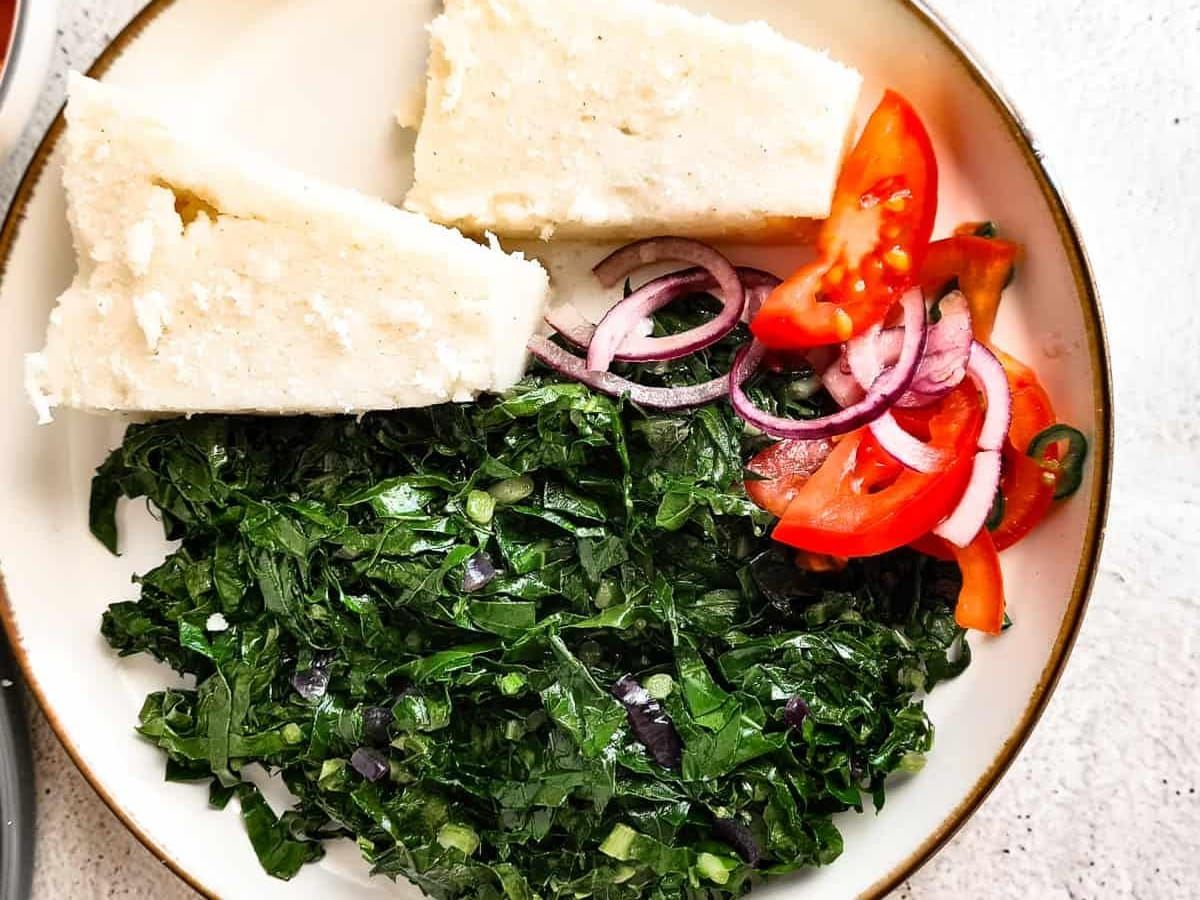
Goodbye "ugali", Kenyans begin to prefer other flours and cereals, and on the tables of the country also sprouts spaghetti.
There are many reasons which can lead to the change of food production in a country and, as a consequence, to the change of eating habits.
They range from the well-known problems connected to climate and harvests, to the widening of the range of social inequalities, up to new cultivation techniques which allow even small farmers to save money and have more satisfaction from products they previously did not consider.
And here, for example, is how in Kenya maize flour is no longer the main sustenance of the population but is undergoing a constant decrease that leads to the slow disappearance of ugali, one of the national dishes, from the Kenyan table. Little by little, other types of cereals are being added to the traditional maize flour polenta, which are not only competitive for their price on the market, but can also be cultivated by those who have the classic vegetable garden ("shamba" in Kenya, meaning field) with less expense and more quantity.
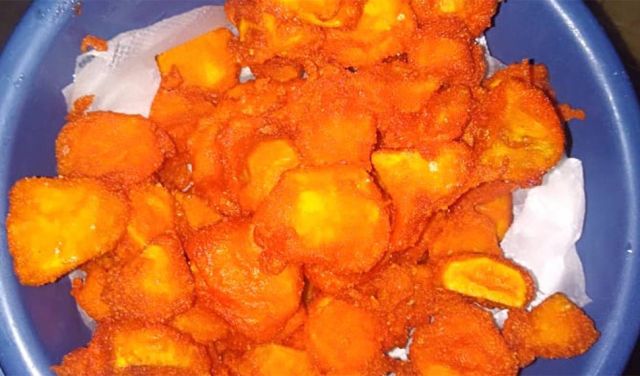
The change in culinary habits is also visible in many small local stores, where, for example, pasta is starting to be sold (and purchased, even for the less affluent). Spaghetti produced by local companies that replace polenta or rice as an accompaniment to the main (and often only) dish of the day. In local markets it happens to see big pots with pasta timbales (often cooked with tomato and eggs) which are sold in slices. As has always been the case in many nations of West Africa, often not blessed by the fertility of Kenya, cassava flour is a staple food and even in East Africa, cassava is increasingly present and cultivated. In addition to making flour and polenta, cassava is eaten boiled or fried like a potato and its price is low and constant. Another product that is increasingly in the homes and huts of Kenyans is the sweet potato. Its ease of cultivation, with three harvests a year, little need for water and resistance to insects and other soil threats, make it an essential food of the present and future. Thus, cornmeal polenta is replaced with mashed potatoes or sweet potato preparations. The ugali's demise is also being monitored by the international economy.
According to an American research of the data company "Knoema", in 2020, the production of wheat in Kenya was 300,000 tons. With a reduction of more than 20% compared to the previous year, and this year's trend is expected to confirm a further decrease. According to Kenyan experts, the consumption of food products based on wheat and cereals has now surpassed that of maize flour throughout the country". In addition to prices, among the problems encountered by farmers, one of the main problems of maize is the losses that occur after harvesting, especially due to humid conditions. The "cartel" of large distribution companies that continually raise and lower prices is certainly another determining factor.



Low rainfall during Kenya's cold season means a shortage of maize meal, the main staple...
NEWS
by redazione

More than the economy of the country was the drought and the long time for the harvest of maize.
The fact is...
NEWS
by redazione

In difficult times for essential commodities and subsistence food for the Kenyan population, especially the...
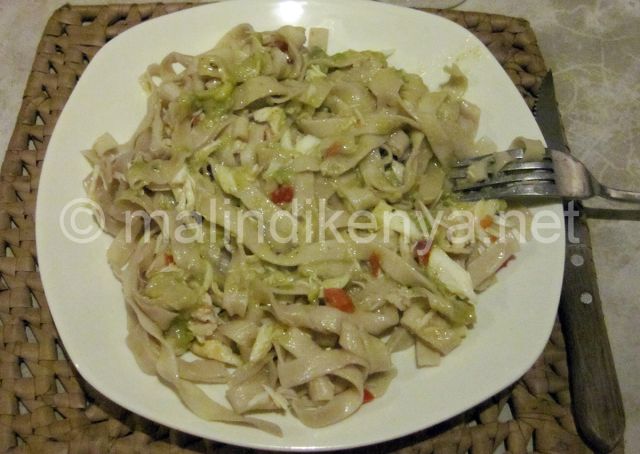
More and more Kenyans are approaching pasta dishes and particularly pasta, which is starting to...
NEWS
by redazione

After a few days of complete lack of supermarket desks and local shops in Malindi and on the north coast of Kenya, packs of 1 or 2 kilograms of mail flour, which are indispensable to prepare the ugali, national national...
NEWS
by redazione
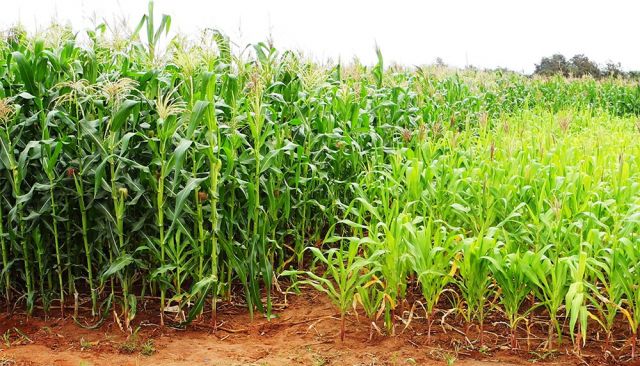
To ward off the great famine that is going through the weakest bands of Kenya and the lack of corn flour that has been plagued by the country for days, President Kenyatta has decided to fund the "smooth" reserves and...
NEWS
by redazione

The first maize crop of the Israeli-Kenyan irrigation project in the Galana river valley will feed the coastal population will pay for the meal at half price.
These days the Government will be selling packages of two kilos of flour that...
TRADITIONAL FOOD
by redazione
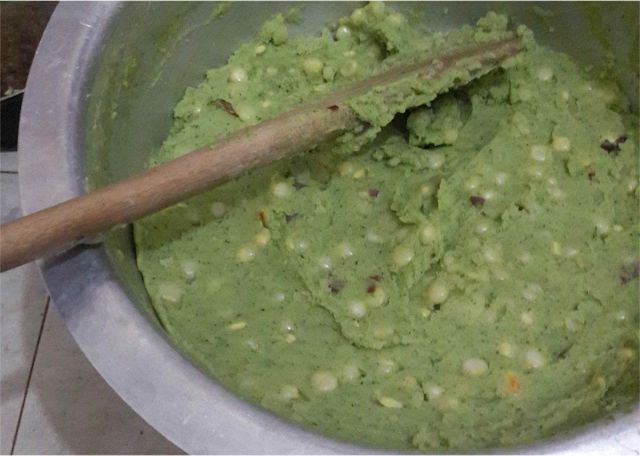
Mukimo is a traditional side dish from the central regions of Kenya.
It is...
NEWS
by redazione

For those who live in Malindi and its surroundings, it is easy to see how in the supermarket desks and in the colorful and cheerful confusion of kiosks, bazaars and local bunks, for some time now, the main food of...
NEWS
by redazione

Five types of maiz flour potentially carcinogenic in Kenya for high levels of aflatoxin...
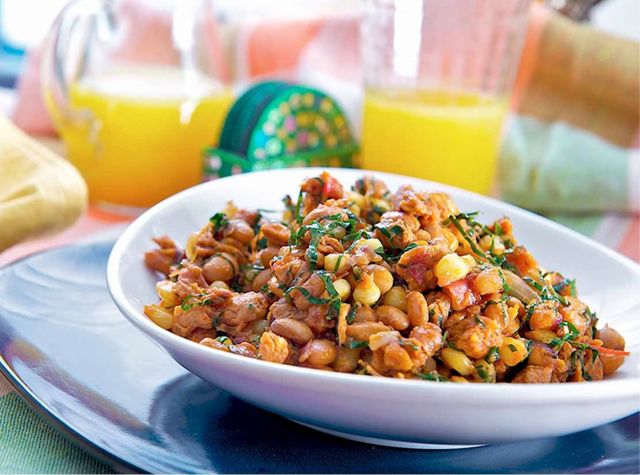
The Githeri (or Mutheri) is a typical dish based on legumes, cereals and favacees, just of the kikuyu tradition, but also of Embu and Meru tribes.
Now the recipe is popular throughout Kenya's central region and has its variations on...
LOCAL RECIPES
by redazione

It is the Kenyan national dish, maize flour polenta (white) with an accompanying side dish with tomato...