
KENYA NEWS
11-11-2026 by Freddie del Curatolo
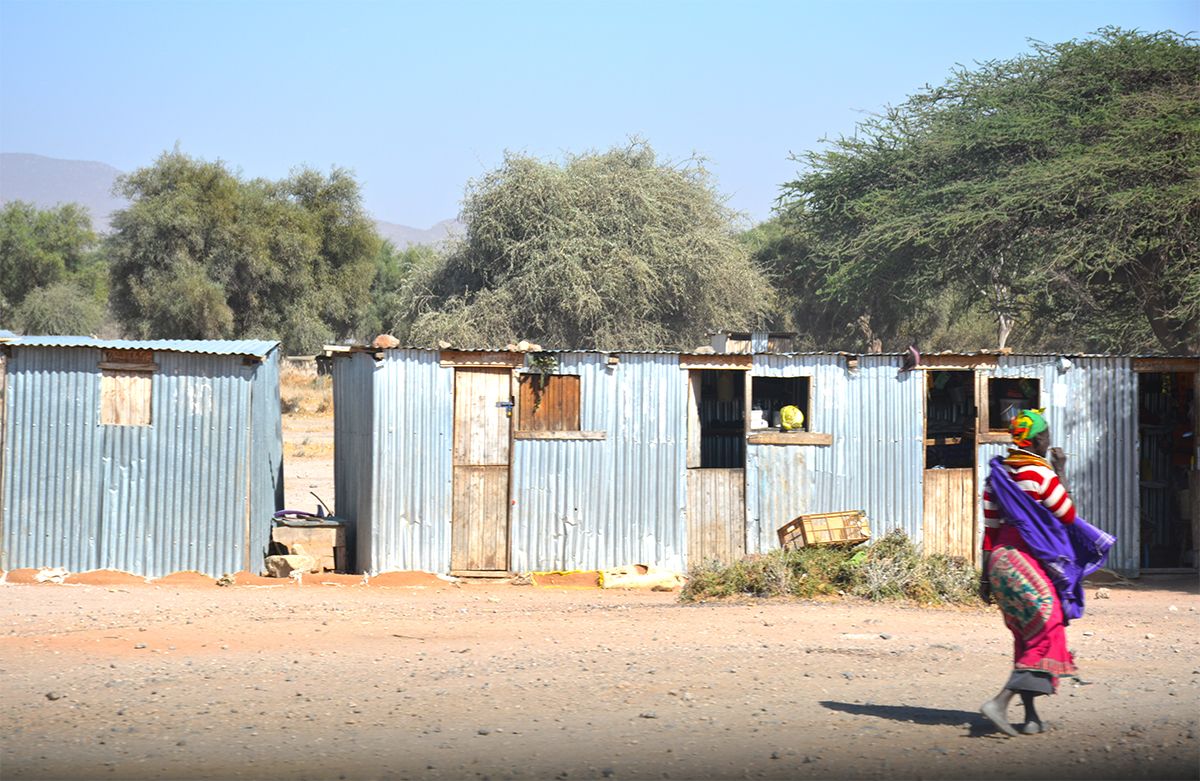
A report on food security in East Africa estimates that over 3 million Kenyans are facing acute food insecurity. Nearly 426,000 are in an emergency situation. Drought, conflict, displacement and the high cost of living are exacerbating a crisis that risks being further complicated by El Niño rains.
According to the assessment by the Food Security and Nutrition Working Group for East and Central Africa, there are precisely 3,086,659 people in Kenya facing acute food insecurity classified as a crisis or worse.
The report distinguishes between two levels of severity: nearly 2.7 million people are in the food crisis phase, whilst just over 400,000 are in the full-scale emergency phase, characterised by even greater difficulty in accessing food.
Added to these are nearly 7 million Kenyans classified as being in a state of food stress – that is, households that are still able to meet some essential needs but are living in a situation of extreme precariousness.
The situation is particularly worrying because it concerns not only the availability of food, but also households’ financial ability to purchase it.
Drought, conflict and the cost of living
The causes of the crisis are manifold. The report first identifies the effects of adverse weather conditions, with below-average rainfall and prolonged periods of drought which, between June and September, affected several areas of East Africa, including western Kenya.
Communities dependent on agriculture and livestock farming are among the most vulnerable. The loss of crops and livestock undermines livelihoods and reduces households’ ability to cope with subsequent hardships.
Added to this are conflicts, forced population displacement and regional tensions. The crises in Sudan, South Sudan and the Democratic Republic of the Congo continue to fuel instability and place pressure on humanitarian aid systems. In recent weeks, as we have documented, ethnic disputes on the border between Ethiopia and Kenya have exacerbated the situation, leading to the exodus of over 50,000 Ethiopians into Kenyan territory, to the town of Moyale, as refugees.
The cost of living is also contributing to the worsening situation. Rising prices for fuel, fertilisers and transport, combined with inflation and economic hardship, are making it increasingly difficult to purchase basic foodstuffs.
The report also highlights that the availability of funding for humanitarian interventions is increasingly insufficient to meet needs.
The uncertainty surrounding the El Niño rains
The prospect of heavy rainfall expected between October and December 2026 introduces a further element of uncertainty.
Whilst the rains could help crops to recover, regenerate pastures and replenish water reserves, they could also cause flooding, landslides, damage to crops and disruption to transport links.
The most vulnerable areas of Kenya, along with those in Somalia and Ethiopia, are at risk of suffering particularly severe consequences.
The report also warns that El Niño conditions may persist until the early months of 2027, with above-average rainfall during the March–May season in some parts of the Horn of Africa.
Malnutrition affects children most of all
Food insecurity has a direct impact on the health of the population, particularly young children.
According to analyses by the Integrated Food Security Phase Classification (IPC), between April 2026 and March 2027, over 883,000 Kenyan children aged between six months and five years will require treatment for acute malnutrition. Of these, around 224,300 are severely affected.
The situation also affects around 117,000 pregnant or breastfeeding women.
This is a crisis that risks leaving lasting consequences, compromising children’s development and the health of the most vulnerable communities.
The report calls for strengthening targeted interventions, improving coordination between humanitarian organisations and ensuring sufficient resources to reach the most vulnerable populations.
For Kenya, the challenge is not only to tackle the immediate emergency, but to build resilient systems capable of withstanding an increasingly frequent combination of droughts, floods, economic instability and regional crises.
In this context, hunger is no longer merely a consequence of the climate. It is the result of structural fragility that risks turning every new difficult season into a social catastrophe.


DROUGHT AND FAMINE
by Freddie del Curatolo

The Italian flag of solidarity on the Kenyan coast often flies under the auspices of the NGO Karibuni...
SOLIDARITY
by redazione

We launched the appeal on our portal last 21 July: the children of the Malindi hinterland, like many...
NEWS
by redazione

More than the economy of the country was the drought and the long time for the harvest of maize.
The fact is...
EMERGENCY
by Freddie del Curatolo

The stranglehold of hunger on Kenya and especially in its extremes, from the desert north to the savannah...
PERSONS
by Freddie del Curatolo

She didn’t simply teach people how to cook. She taught them how to eat. In a country like...
SOLIDARITY
by Leni Frau

The most important and organized Italian solidarity reality of the Kenyan coast, Karibuni Onlus, has ...
NEWS
by Freddie del Curatolo
Climate change and pandemic, a lethal mix that has created 400 thousand new hungry people on...
INIZIATIVE
by redazione

At this time when solidarity with the Kenyan people is particularly concerned with the food emergency caused by...

500 million shillings are coming from the German Bayer Foundation to deal with the food emergency...
NEWS
by Freddie del Curatolo

He didn't make it. After seven thousand kilometers of migration, after crossing nations with ....
CORONAVIRUS
by redazione

It had been more than three months, exactly since last May 26, that in the 24 hours between one...

Today's Carol, Christmas 2020, is not a song but a poem, perhaps sung in a whisper as ...
NEWS
by redazione

An unprecedented situation and think in Kenya who grows economically is even more sad and absurd.
Hunger in the hinterland of Kilifi County is now an unbearable grip even for a notoriously adaptable and patient population as that of the...
NEWS
by redazione

She died of hardship and exhaustion because she could not see her eight children go hungry. The last...


