
WILDLIFE NEWS
28-10-2026 by Freddie del Curatolo
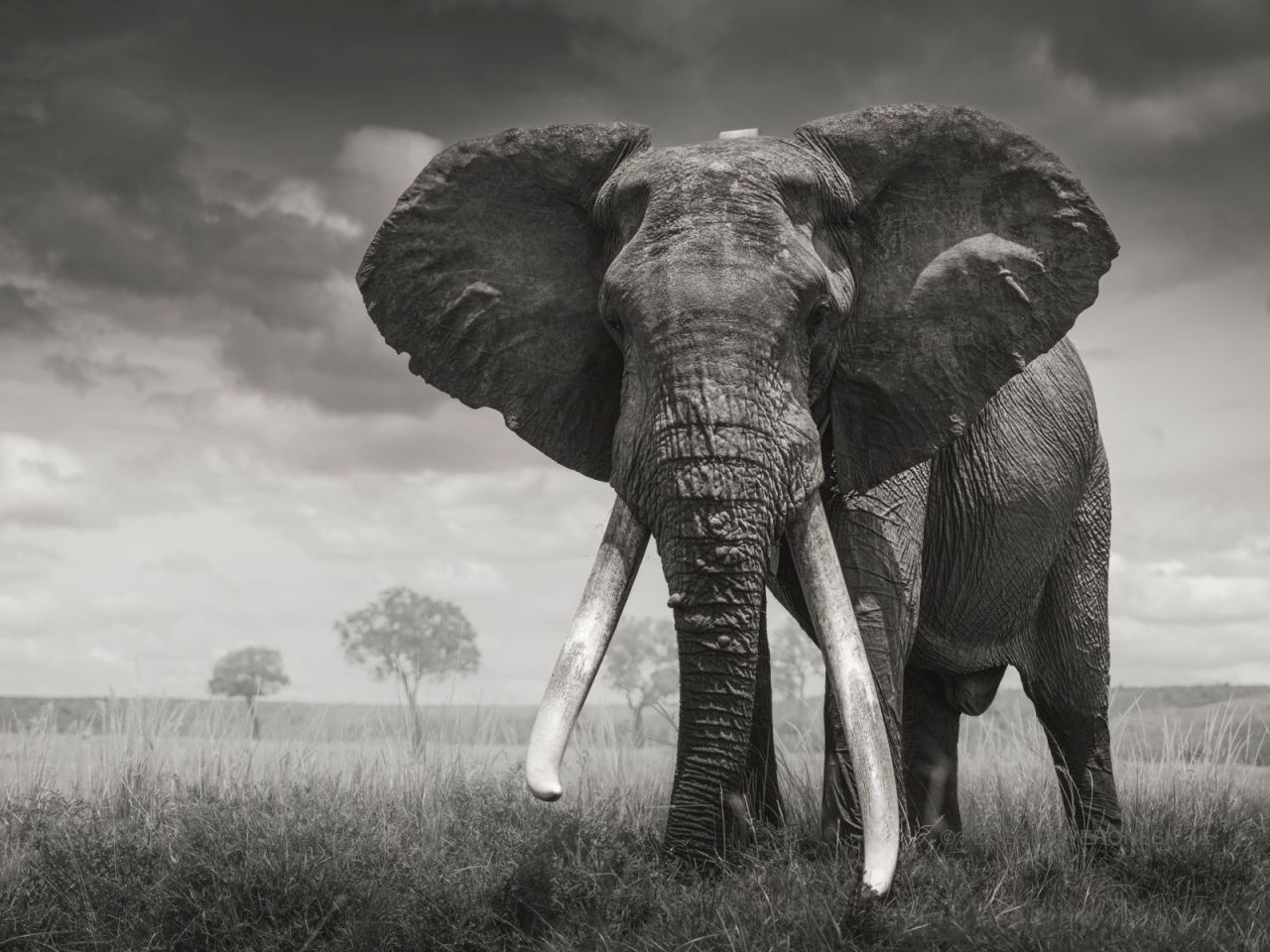
(Photo by Federico Veronesi) His tusks told the story of an Africa that seemed to belong to another era, when great elephants roamed the savannah like living monuments and ivory had not yet become a death sentence. Fred, one of the most famous giants of the Masai Mara, died of natural causes, probably at around 55 years of age. A long life, especially for an elephant of his generation, having survived the years when poaching decimated his kind.
Fred was not just a great elephant. He was one of the representatives of that rare generation of African males capable of developing exceptionally large tusks, the so-called super tuskers, who over the years have become symbols of the fragility of wildlife and the need to protect it.
According to estimates reported by the specialist press, his tusks each weighed more than 45 kilograms. This figure, derived from previous measurements, will need to be confirmed by post-mortem examinations.
His death was announced on 26 October by the Mara Elephant Project, the organisation dedicated to protecting elephants and their habitats within the Mara ecosystem. Fred was around 55 years old and died of natural causes.
His longevity is particularly significant. Many elephants of his generation did not manage to reach such an advanced age, having been killed during the worst years of the illegal ivory trade. Fred, however, survived that period, becoming a living testament to how much on-the-ground conservation can make a difference.
Since 2013, his movements had been tracked via a satellite collar, thanks to a collaboration between the Mara Elephant Project, the Kenya Wildlife Service (KWS) and the Wildlife Research and Training Institute.
This monitoring enabled researchers to gather information on the animal’s movements and behaviour, helping to improve strategies for protecting elephants with large tusks in various parts of Kenya.
Tracking Fred also meant gaining a better understanding of the needs of an animal which, due to the size of his tusks, could have become a particularly sought-after target for poachers. His survival has demonstrated the importance of ongoing work involving surveillance, research and collaboration between environmental organisations and public authorities.
According to estimates published by Africa Geographic, there are just over 85 super tuskers remaining across the continent, with at least 26 in East Africa. These figures are approximate, as there is still no comprehensive and standardised census of all elephants falling into this rare category.
Fred’s death comes just a few months after that of Craig, another famous African giant, who passed away on 3 January 2026 in Amboseli National Park at the age of 54.
Craig, too, was known for his imposing tusks and for being one of the last great representatives of an increasingly rare generation. These two losses once again draw attention to the fate of the oldest males, who are also crucial to the social structure of elephant populations.
The Mara Elephant Project has announced its intention to commemorate Fred in the coming days, inviting the public to celebrate the animal’s life and legacy.
‘We will miss him, but what an extraordinary life,’ was the organisation’s message.
For Fred, the savannah has finally closed this chapter. His tusks, which for decades made him unmistakable, will no longer be a familiar sight amongst the trees and plains of the Mara. What remains, however, is the value of a life that spanned one of the darkest periods for African elephants and which, thanks to conservation and research, managed to reach old age.


NEWS
by redazione

One of the world's top luxury hotel chains has chosen Kenya to open its first exclusive lodge in the...
NAIROBI EVENTS
by redazione

A truly special Italian event is taking place this month, on Tuesday, March 24: together....
WILDLIFE
by Leni Frau

He was one of Tsavo's "Super Tuskers." Lugard, an iconic elephant with huge tusks and regal bearing, also...
ANNIVERSARY
by Freddie del Curatolo

Kenya celebrates this year, a century of one of its excellences.
1922. An important...
STORIES
by redazione

Many famous labels of spirits and distillates around the world conceal, behind their sometimes curious and sometimes curious names, curious legends or interesting implications.
This is the case...
ICONS
by Freddie del Curatolo

The great Kenyan writer Meja Mwangi entitled one of his novels 'No Christmas without Tusker'. Similarly...
PHOTOS AND ART
by redazione

Australian photographer Shravan Rao has been named the Maasai Mara Wildlife Photographer of the...
NEWS
by Leni Frau

May the land of the savannah be mild to the oldest elephant in Tsavo East who left his homeland to join, as...
BEVERAGE
by Freddie del Curatolo

"Tusker is proud to present the latest of its labels, the Premium Ale, produced with the best selection of ...

Following Virgin boss Richard Branson's futuristic Mahali mzuri lodge and the announcement of a...
Schools
by Leni Frau

A Giriama girl smiling at a small companion of games of the tribe Masai, is the most beautiful image of racial integration in Kenya, at the dawn of the campaign for the upcoming national elections.
We are in Baolala in...
MAL D'AFRIQUE
by Marcello StepOnFoot

My name is Marcello, I'm seventeen years old, I study science in Bologna, and until January, my...
SAVANNAH
by redazione
A very rare case of a pink elephant, a puppy suffering from albinism, was photographed for the...
NATURA
by Freddie del Curatolo

He left as a real King.
Without anyone ever overpowering him, without...


