
BORDER STORIES
18-11-2026 by Freddie del Curatolo
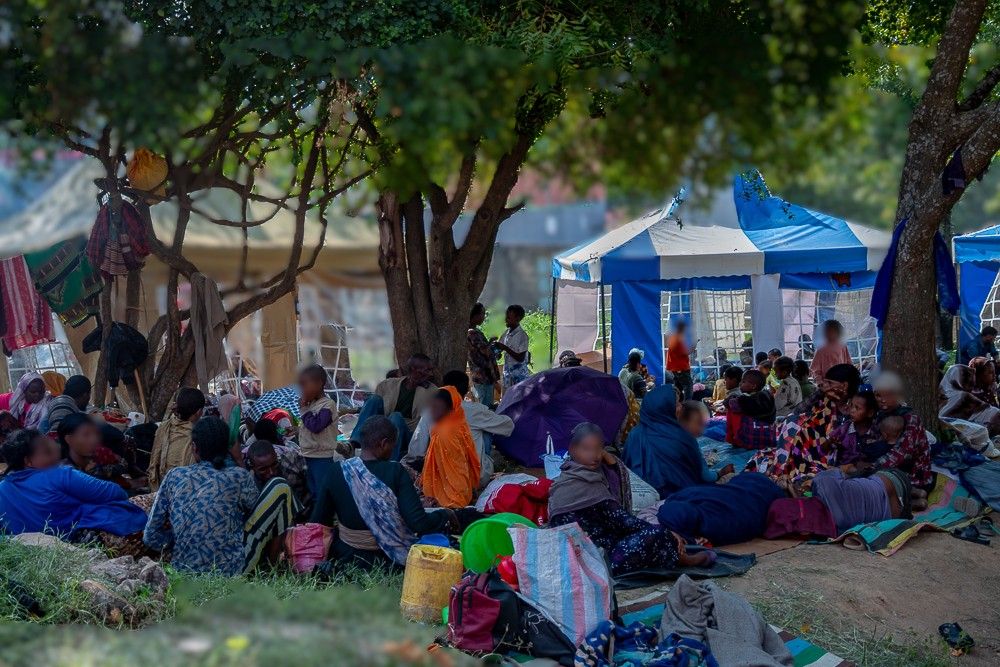
Moyale, a border town in northern Kenya, is becoming a powder keg that risks exploding under the strain of the influx of refugees.
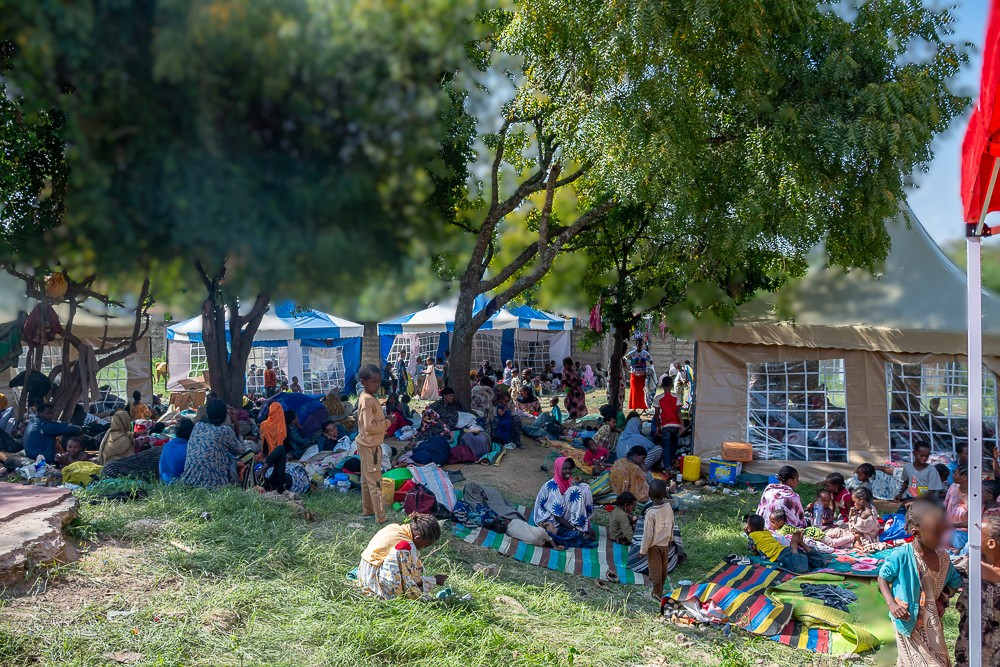
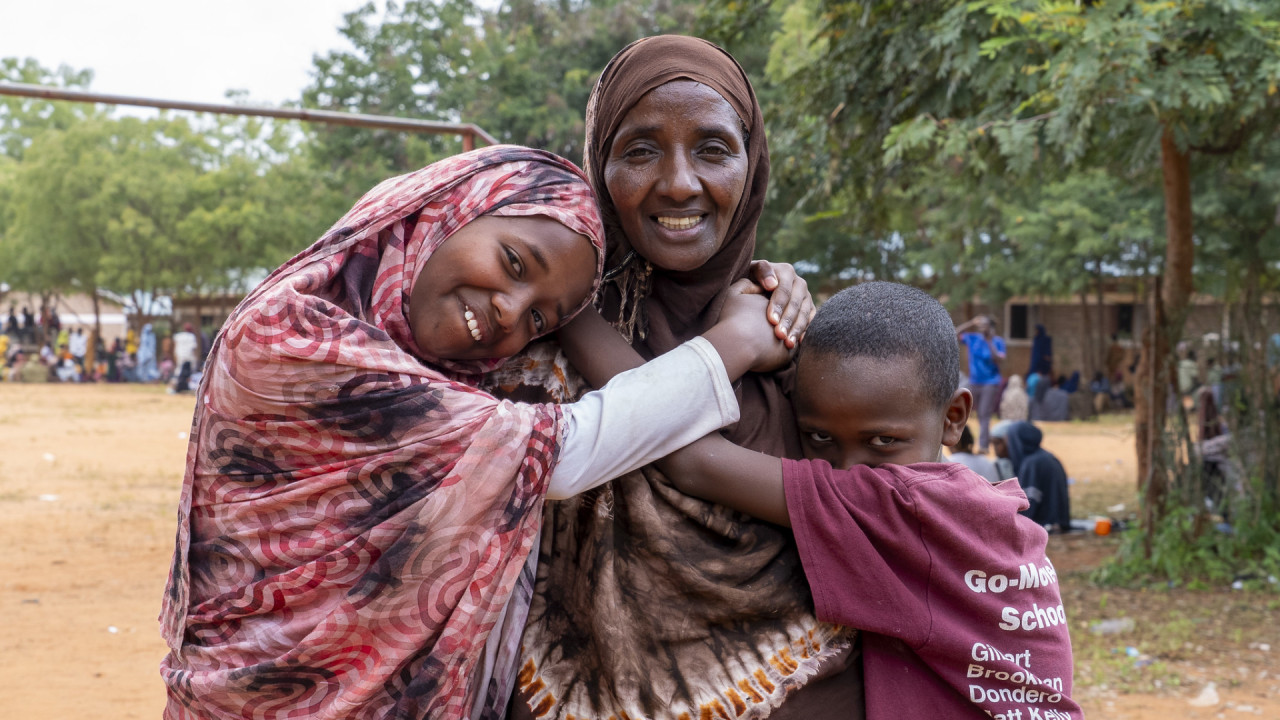
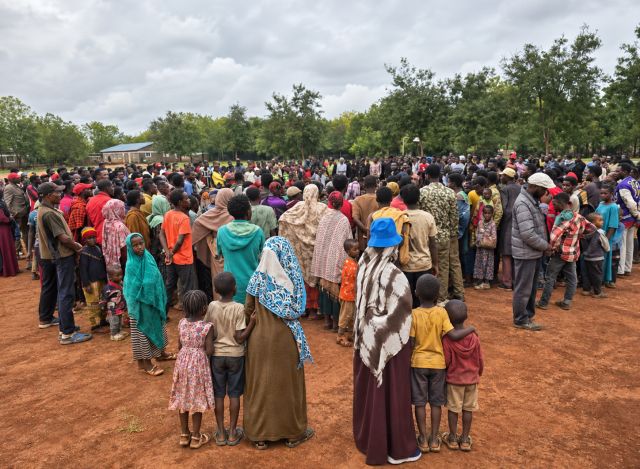
Sixty thousand refugees have fled ethnic conflicts in southern Ethiopia, yet there is little water or food to sustain them, whilst the Kenyan population is already struggling with droughts leading to floods and the poverty typical of remote and semi-arid regions.
This situation risks turning a humanitarian emergency into a long-term crisis.
The crisis erupted in the second half of October in the Ethiopian territory of Moyale, along a border already marked by tensions and territorial disputes between the Ethiopian regional administrations of Oromia and the neighbouring Somali Region. This conflict intertwines ethnic identities, political claims and control over territory.
On 18 October, the inauguration of a new administrative office for the Somali Region and the raising of its flag in an area claimed by Oromia triggered an armed clash, in which a 13-year-old girl was killed. In the days that followed, the situation deteriorated rapidly. On 21 and 22 October, clashes between the forces of the two regional administrations intensified, with exchanges of gunfire and increasingly fierce fighting.
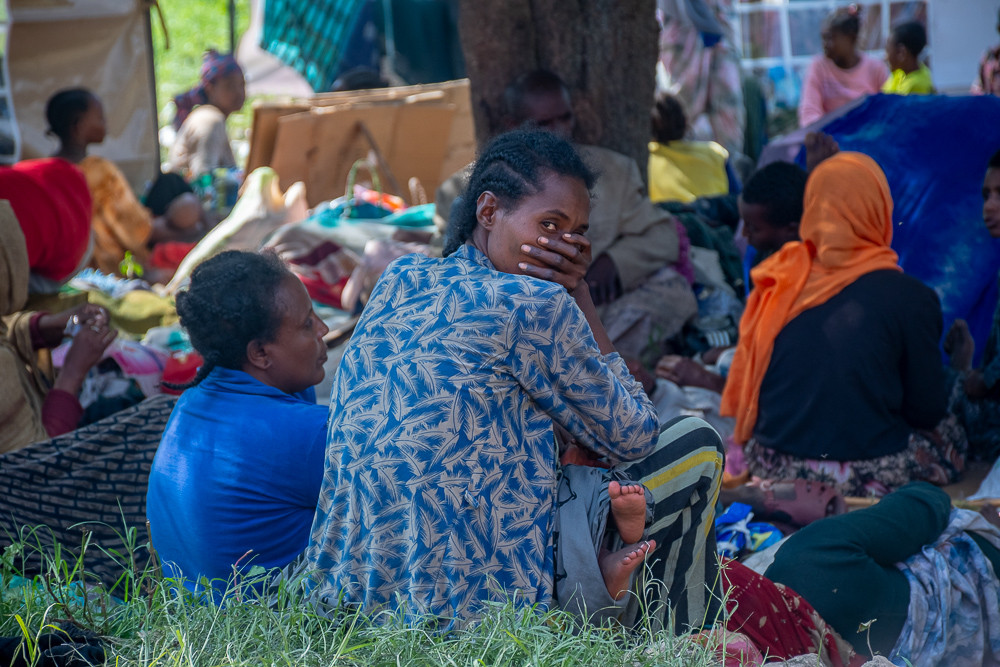
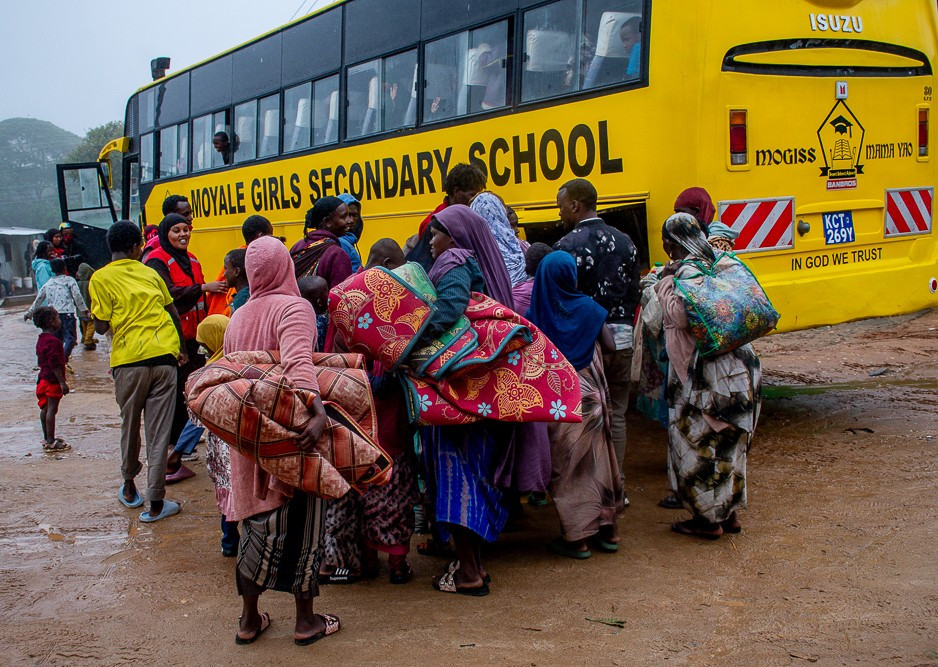
On 23 October, as the violence spread to other areas, the first few thousand people began seeking refuge across the border in Moyale, Kenya, in Marsabit County. The flight turned into an exodus. Within a few days, women, children, the elderly and entire families had abandoned their homes, taking with them the few possessions they could salvage.
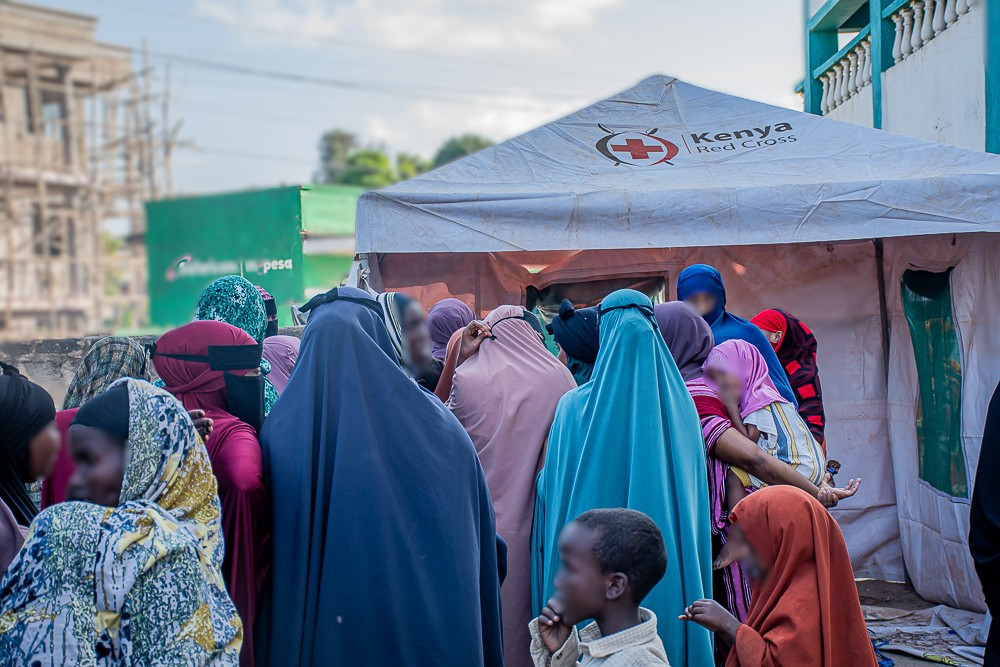
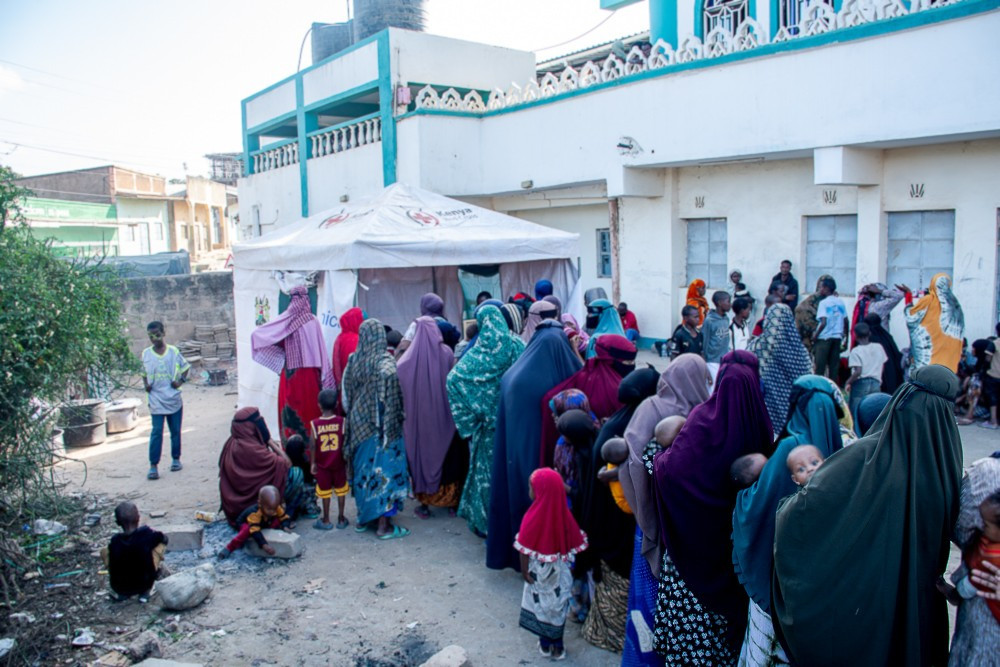
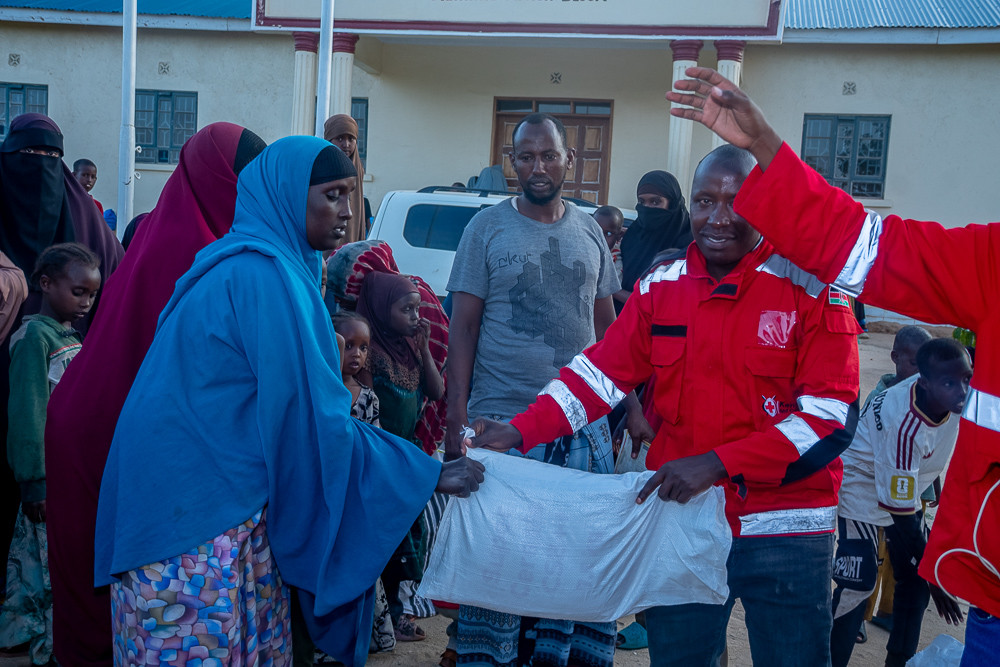
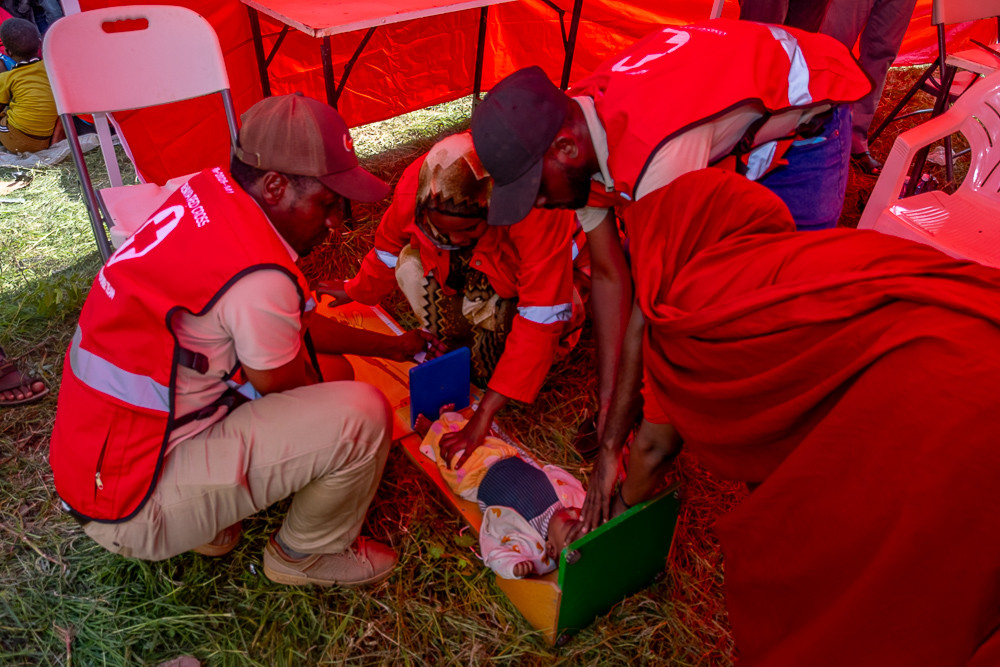
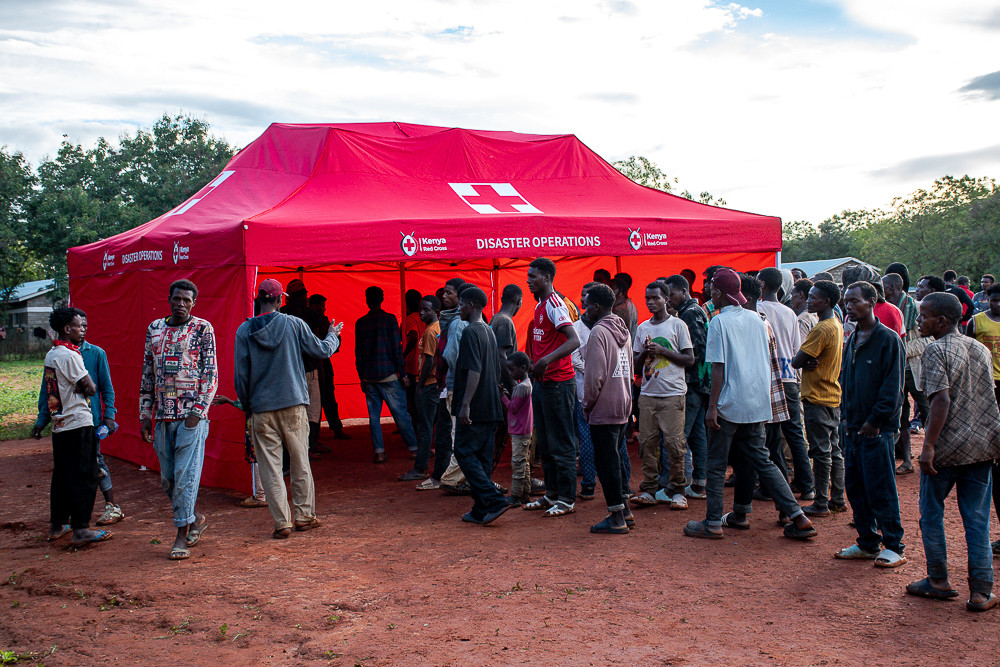
Since then, the Kenyan Red Cross has mobilised, but has seen the number of refugees grow day by day.
Venant Ndigila, the head of disaster operations, spoke to malindikenya.net about this crisis and the Kenyan organisation’s efforts.
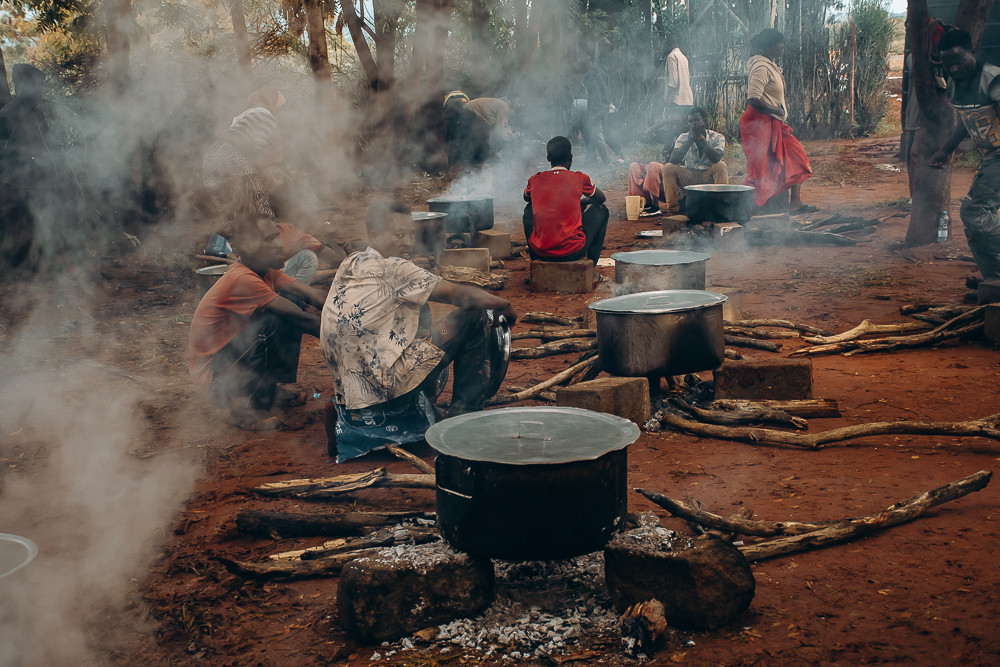
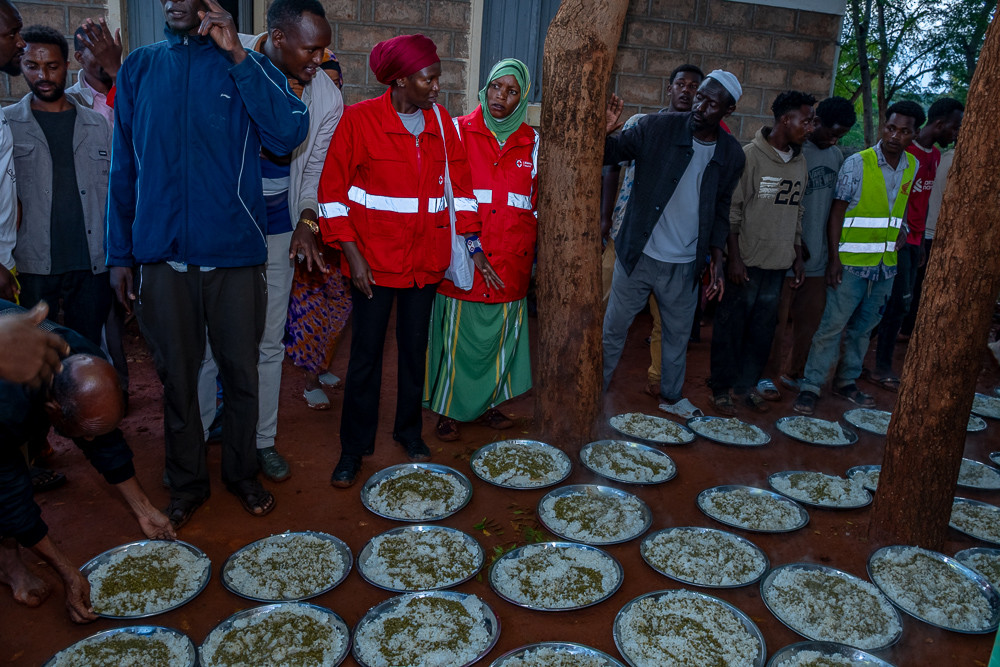
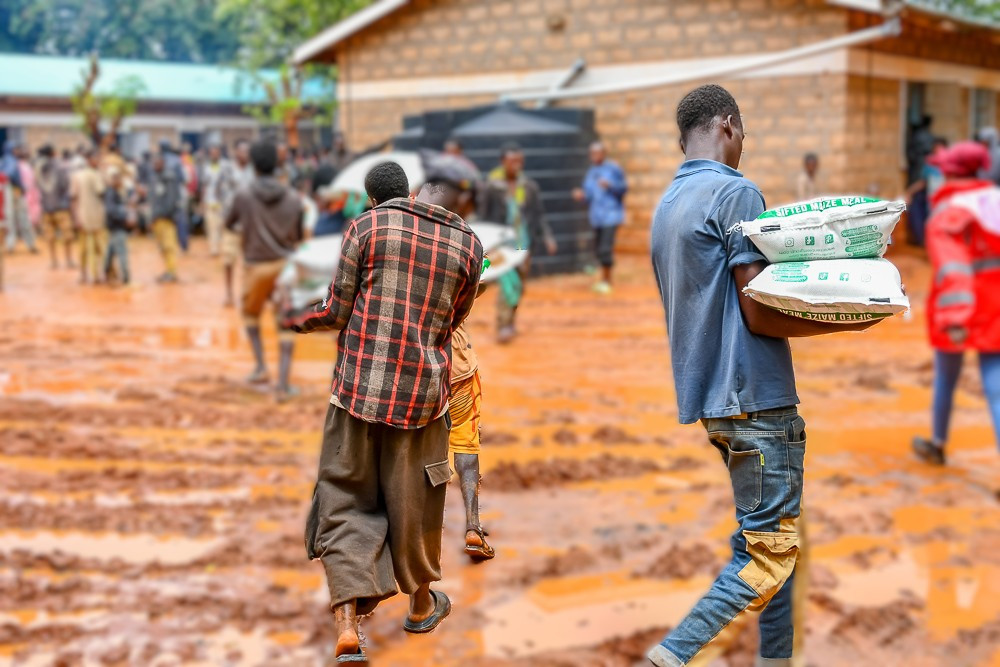
“Normally, at national level, we have a certain level of preparedness that enables us to respond immediately to some minor emergencies, providing life-saving first aid and, essentially, stabilising the situation whilst awaiting further aid, should it be necessary,” explains Ndigila. “In the case of Moyale, the number of refugees rose very rapidly, to the point where we had to activate regional capacity and then national capacity, which in turn found itself overwhelmed in terms of resources within the first two days. This also happened because most of these people arrived with nothing, particularly when it came to basic necessities such as food, clothing, blankets and, of course, the means to support themselves. They had lost their homes, the few possessions they had, and any money they owned. They needed immediate support – and on a massive scale – because within the first two and a half days, over 10,000 people had already crossed the border. After five days, the figure had reached 35,000, and today we are at around 60,000, with fighting on the other side of the border continuing unabated. We had to set up camps, provide sanitation and healthcare, as well as, of course, food and water. It was extremely difficult at first, because there was a shortage of everything, especially water. And even today we still need aid and donations.”
Alongside the Red Cross, the Marsabit County government, national authorities, security forces, local community elders and numerous humanitarian organisations have mobilised. UNHCR, UNICEF, the World Food Programme, IOM and other organisations are working together to try to ensure reception and assistance.
The work of the Kenyan authorities has also been crucial on the security front. Police and armed forces have been reinforced along the border and in the reception areas, whilst local authorities are trying to coordinate efforts to prevent the humanitarian emergency from turning into a public order crisis as well.
Ndigila explains, three weeks on, what the main challenges still are.
“There are concerns on all fronts, which is why our efforts continue to be multi-faceted: the risk of disease outbreaks, partly due to water shortages and the physical condition of the people – 70 per cent of whom are women and children; the challenge of helping these communities rebuild a normal life, starting with education for the youngest and social activities; integration with the local community – which is not easy because, ultimately, there are ethnic tensions on the Kenyan side too – and what is worrying for the future is that there seems to be little prospect of peace, so there is a constant influx of people wounded along the border, particularly from stray bullets”.
It is a truly difficult situation, one which the Kenyan government is working to address, but the government in Addis Ababa seems to have little interest, even though the deaths and devastation are taking place on its own territory and affect its own citizens. But as we know, Ethiopia is currently experiencing a period of great instability, with various regional uprisings, separatist and rebel forces joining forces, and the unresolved and thorny issue of Tigray. Whilst the Red Cross and its international partners are committed to safeguarding the physical and psychological well-being of the displaced, it is the responsibility of the institutions to prevent this humanitarian crisis from turning into a catastrophe.
 FOTO GALLERY


METEO
by redazione

History repeats itself and for the poorest regions of Kenya it is always a drama.
After...
NEWS
by redazione

The border between Kenya and Somalia, far from the Kenyan tourist areas, is once again a terrain of...
KENYA NEWS
by Freddie del Curatolo
Fifty thousand people are fleeing a war that has not been declared, but which is being fought with...
BAD WEATHER
by redazione

Hopefully today's is the last tragic bulletin of the season in Kenya. Government spokesman Isaac Mwaura...
SOLIDARITY
by redazione

The Italian Onlus "Still I Rise" founded by the young Cremonese writer and...
SOLIDARIETA'
by Freddie del Curatolo

It takes heart, intelligence, practical sense and community.
To...
WEATHER AND RISKS
by redazione

The bad weather emergency in Kenya now also threatens to bring flooding to the coastal strip, swelling...
LATEST NEWS
by Freddie del Curatolo

The death toll from the bad weather in Kenya continues unabated, in what is shaping up to be...
PREVENTION
by Leni Frau

One category at a time, to raise awareness and provide tools for prevention.
These...
NEWS
by redazione

In Nairobi an episode of racism in a shopping centre created a diplomatic case between the ...


