
KENYA NEWS
13-11-2026 by Freddie del Curatolo
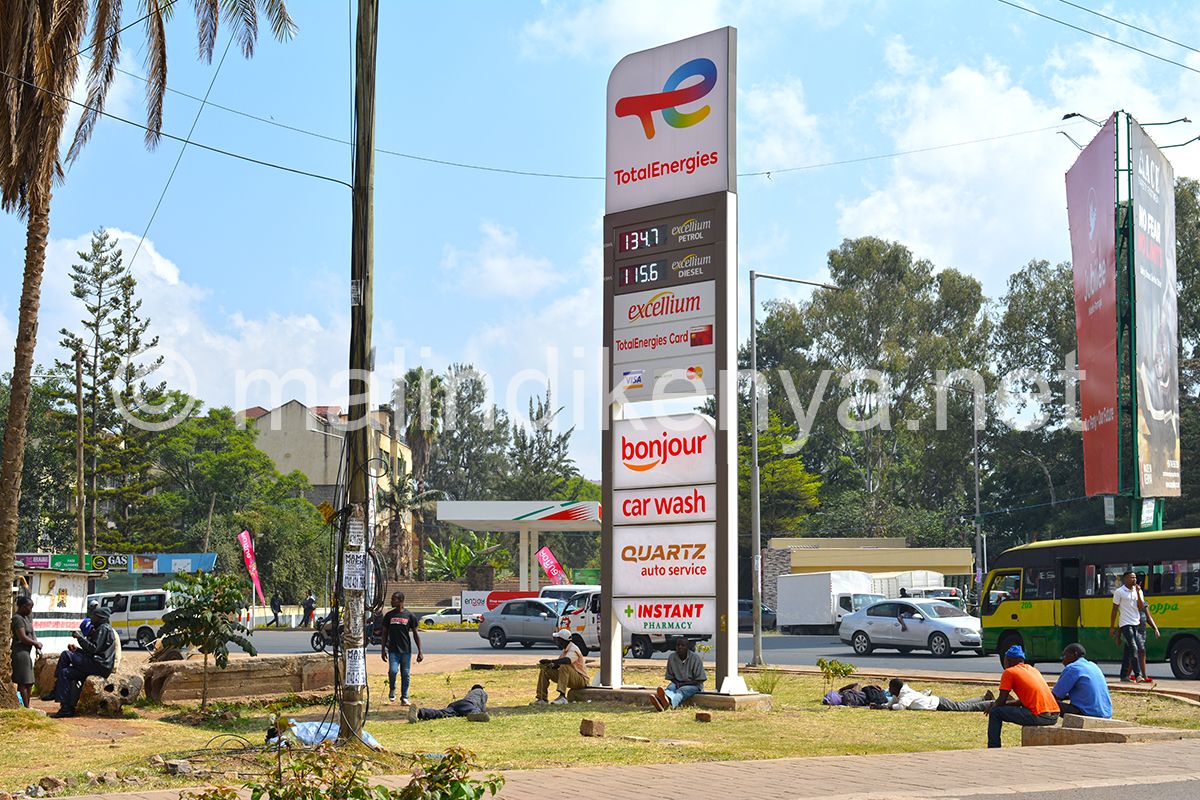
The international energy crisis may justify a temporary exemption, but it does not negate the consequences of pollution. Indeed, to avoid potential fuel shortages, Kenya has chosen to relax the quality standards for petrol and diesel once again, allowing itself a further six months of using less clean fuels.
The government has extended the maximum limit of 50 milligrams of sulphur per kilogramme of fuel until April 2027, up from the previous limit of 10; a measure justified by international tensions and difficulties in oil supplies, but one that raises questions about the protection of the environment and public health.
The Ministry of Investment, Trade and Industry has announced the extension of the exemption introduced last April, which will therefore remain in force for one year and may be reviewed before it expires should international conditions improve.
The rationale is linked to supply difficulties on global markets, exacerbated by tensions in the Middle East and disruptions affecting strategic oil transport routes, particularly the Strait of Hormuz. The government maintains that expanding the availability of fuels that comply with the temporarily amended parameters is necessary to avoid shortages and protect the country’s economic stability.
A valid reason, given that Kenya is heavily dependent on imports of petroleum products. But behind the need to ensure a supply of petrol and diesel at service stations lies a less immediate and perhaps more important issue: what happens to the air breathed by millions of people?
Sulphur, an invisible enemy
Sulphur is naturally present in crude oil and, during the combustion of fuels, contributes to the production of sulphur dioxide, a polluting gas that can irritate the respiratory tract and exacerbate conditions such as asthma and bronchitis.
Its presence also promotes the formation of secondary fine particulate matter, one of the most insidious components of air pollution, as it is capable of penetrating deep into the lungs.
The change from 10 to 50 mg/kg does not mean that every litre of fuel sold in Kenya necessarily contains the maximum permitted amount. It does, however, mean that the country is once again allowing the import of fuels with a higher sulphur content, with the potential for an increase in combustion-related emissions.
The problem is not limited to air quality in major cities. Nairobi, with its congested traffic, is where the effects are likely to be most noticeable, but Mombasa and coastal towns – including Malindi and Watamu – are also affected by vehicle emissions.
Air pollution knows no administrative boundaries and makes no distinction between those living next to a busy road and those living in a residential area.
Even modern cars can be affected
The higher sulphur content can also affect the exhaust gas treatment systems of newer cars.
Modern engines, particularly diesel ones, are designed to run on low-sulphur fuels. Particulate filters, catalytic converters and other emission control devices may lose efficiency if used over a long period with less clean fuels.
This is not to suggest that Kenyan motorists should expect immediate damage to their engines. The risk mainly concerns the lifespan and efficiency of emission control systems, which may prove more vulnerable.
For most older cars, which have been running on fuels with similar sulphur concentrations for years, the consequences are likely to be more limited. For owners of modern vehicles, however, the extension provides yet another reason to adhere to the manufacturer’s recommended maintenance schedule.
The price of development
The government’s decision cannot be judged without taking into account the difficulties that led to it. A country at risk of running out of fuel must find solutions to safeguard transport, manufacturing, agriculture and the daily lives of its citizens.
But energy security should not become a permanent justification for lowering environmental standards.
Kenya is committed to promoting tourism, attracting international investment, developing its infrastructure and becoming a leading technological and digital hub in Africa. These are all objectives that require a healthy environment, liveable cities and a protected population.
In a country that aims to become a technological hub, attract international investment and promote nature-based tourism, air quality should be considered an integral part of development, not a luxury to be afforded only when the oil market permits it.
The exemption may be a temporary necessity. The concern is that, in a context where emergencies follow one after another and exceptions risk becoming the norm, the health of citizens may end up being regarded as a secondary cost.
Clean air is not a privilege of the wealthiest economies. It is a fundamental right, and its value is measured not only by the parameters of a standard, but by the quality of life of those who breathe it every day.


NEWS
by redazione

Even Watamu goes down in the streets to defend its beauty and public health, before...
NEWS
by redazione

Will it be a fueled Easter?
The fuel emergency that has...

Not just plastics and by-products, Kilifi County has asked the highest government environmental authority, NEMA, to intervene to...
AMBIENTE
by redazione

Finnish electric taxis are arriving in Nairobi to combat pollution and reduce...

Fuel rationing in Kenya is causing shortages particularly of diesel and kerosene at gas stations across...
KENYA NEWS
by Freddie del Curatolo

Kenya’s energy sector woke up with handcuffs on its wrists. This is no metaphor: it is a...
ENVIRONMENT
by Leni Frau

Kenya has decided to get even more serious with the use of plastic bags, completely banning...
KENYA NEWS
by Freddie del Curatolo

It was to be expected: after the fear of running out of fuel in two weeks and the relief at the...
ENVIRONMENT
by Leni Frau

The Malindi Green And Blue Movement, coordinated by the Progress Welfare Association of Malindi, has ...
KENYA NEWS
by Freddie del Curatolo

If taken seriously, the oil scandal could be one of those storms that clear...
ENVIRONMENT
by redazione

From September 2017 no more plastic bags in Kenya.
Great news for environmental protection.
The African country continues to grow, has to deal with air pollution not only in Nairobi and Mombasa, but also with the environment, it pertained to...
KENYA NEWS
by Freddie del Curatolo

The global fuel crisis has reached Kenya, first with the scandal involving “adulterated” fuel at the...
NEWS
by redazione

The fuel emergency in Kenya, which has created several inconveniences throughout the country, including...
ENVIRONMENT
by Leni Frau

With all the problems caused by the lack of tourism in Kenya over the past year, due to the...
ENVIRONMENT
by Freddie del Curatolo

It is one of the most precious assets of Malindi and the entire Kenyan coast, and...
ECONOMICAL CRISIS
by Freddie del Curatolo

Despite desperate manoeuvres by the government, the Kenyan shilling last weekend recorded its...

