
ENVIRONMENT
18-12-2020 by redazione

Experts and enthusiasts call it the 'Coral Sanctuary', a beautiful underwater patch of water in the Indian Ocean, in the territorial waters of Kenya and Tanzania, off the coast between the island of Pemba and the towns of Tanga and Shimoni.
It is a jewel of biodiversity that absolutely must be preserved and that, due to climate change and pollution, is in danger of being destroyed.
Here, until now, corals have reproduced thanks to a fortunate combination of environmental circumstances and have created fantastic colonies, an ecosystem that feeds thousands of marine species, like a real marine reserve.
It is the scientific journal Advances in Marine Biology that talks about this, as the Lifegate website also reveals.
"Coral sanctuaries are regions where coral reefs have the best chance of surviving the effects of climate change.
Scientists are scouring the planet's oceans to find and protect them," said World Conservation Society scientist and study author Tim Mc Clanahan.
"This area off the coast of Tanzania and Kenya is a small but vibrant pool of marine biodiversity."
While in the surrounding areas the increasingly frequent very warm currents are severely damaging the coral reefs, in this "jewel of biodiversity" cooler currents are channelled that keep the temperature of the aquatic ecosystem stable. This is due to a conformation that was created thousands of years ago, during deglaciation, by the flow of water coming from Mount Kilimanjaro and Mount Usambara.
Rare species of shark, rays, long-billed stingrays (small cetaceans of the dolphin family) are some of the animals observed in the area. It seems fairly certain that there are also dugongs, although sightings are extremely sporadic.
Recently, however, a few have been spotted off the Kenyan coast, not far from the reef.
"If properly protected, this region has the potential to continue to offer immense value as a tourist destination, a beating heart of biodiversity, and an essential source of sustainable food and cultural heritage for future generations," Tim McClanahan points out.
The 'if', however, is a must. For several years now, intensive fishing has been putting fish stocks under severe stress. Among the plans under discussion for the near future is the construction of the port of Tanga in northern Tanzania, just over an hour from the Kenyan border, to serve the needs of a new oil pipeline. Projects that would jeopardise the delicate balance of this natural paradise.


MARINE ENVIRONMENT
by Pasquale Ariano

This Sunday, once again, we take a look at the wonders of the seabed off the Kenyan coast...
ENVIRONMENT
by Freddie del Curatolo

In Kuruwitu, on Kenya's northern coast between Watamu and Mombasa, the...
MARINE ENVIRONMENT
by Pasquale Ariano
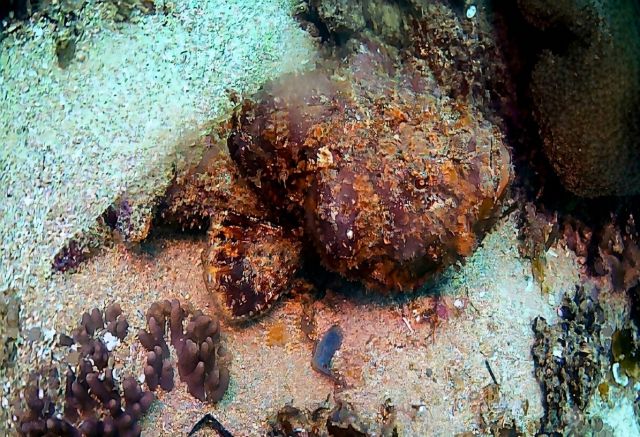
Let’s return to our exploration of the seabed off Diani Beach, a tourist destination on ...
MARINE ENVIRONMENT
by Pasquale Ariano
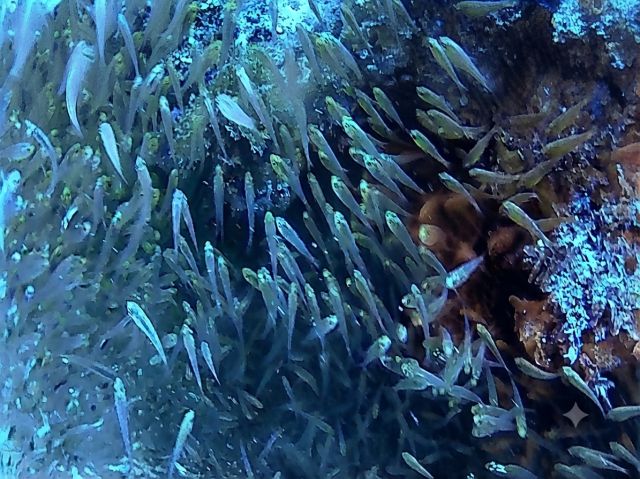
Another underwater exploration of the seabed off Diani Beach, a tourist destination on Kenya’s...
MARINE ENVIRONMENT
by Pasquale Ariano

As we do every Sunday, we return to our explorations of the underwater wonders of the...
MARINE ENVIRONMENT
by Pasquale Ariano

Another Sunday spent underwater, exploring the submerged wonders of the Kenyan coast, through...
ENVIRONMENT
by Leni Frau

A group of women are reviving the coral reef around the island of Wasini, south of...
MARINE ENVIRONMENT
by Pasquale Ariano

As we do every Sunday, we’re back with our explorations of the underwater wonders of...
MARINE ENVIRONMENT
by Pasquale Ariano
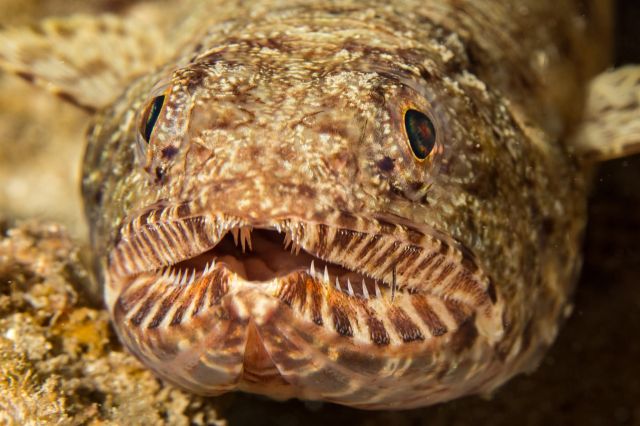
Another underwater exploration of the seabed off Diani Beach, a tourist destination...
HEALTHCARE
by redazione

At last, thanks to the Italians and especially the residents working in the tourism...
NEWS
by redazione
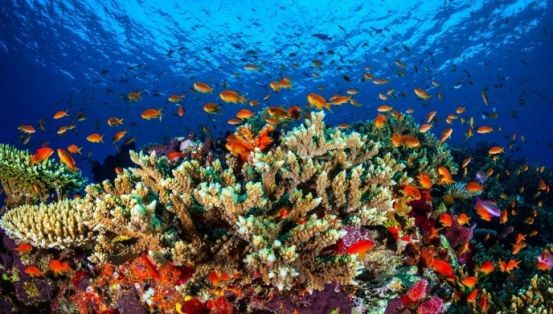
A series of new rules with heavy fines have been approved by the Ministry of Agriculture and Fisheries of...
ENVIRONMENT
by redazione

The Arabuko-Sokoke forest, which extends between the hinterland of Malindi and that of Watamu and Kilifi, has been included in the...
ADVICE
by Adriano Ghirardello

Dear editors of Malindikenya.net.
I would like to refer to your article, published a few weeks ago, in which he reminded the Italians of the existence of precise laws regarding trophies, corals, shells and anything else.
I feel obliged, as...


