
KENYA NEWS
25-09-2026 by Freddie del Curatolo

Milk is one of the most commonplace foods in everyday Kenyan life, but precisely for this reason its absence is immediately felt. In recent months, the drought has affected production in the country’s agricultural areas, leading to a fall in deliveries to processing plants. And when fresh milk begins to run short, the crisis quickly spreads from the barn to the shop: less product, higher costs, higher prices.
What was initially reported mainly in terms of figures – indicating a decline which, whilst not amounting to a nationwide milk shortage, is putting pressure on the entire supply chain – has now made itself felt directly on supermarket shelves and, above all, in the country’s small and medium-sized shops. In the major chains, however, rationing has already begun, and certain local ‘niche’ products, such as skimmed and lactose-free milk, are already impossible to find.
The Kenya Dairy Board has described the situation as a temporary supply constraint, linked primarily to dry and cold conditions in the main production areas.
The problem is particularly acute for fresh pasteurised milk, which has a limited shelf life and therefore requires daily restocking. Some supermarkets have begun to ration sales, whilst in regions where supply is scarcest, prices have risen sharply.
According to reports in the Daily Nation, in some areas a half-litre carton has cost as much as 100 shillings, whilst in the North Rift prices had already risen to 53–60 shillings, up from around 50–52 previously.
Cows are feeling the drought
Behind the milk crisis, therefore, lies a crisis in cattle feed.
The lack of rain has reduced pastureland and the availability of fodder, whilst the price of feed has risen. In the North Rift, a bale of hay that previously cost around 100 shillings has risen to 250, whilst the price of some feeds has gone from 1,800 to 2,400 shillings.
This problem affects small-scale farmers in particular, who make up a significant proportion of Kenya’s dairy sector and have fewer resources to purchase feed during periods of drought. The solution, therefore, would not simply be to wait for the next rains, but to store feed when it is abundant: hay, maize silage, forage sorghum and other crops intended for animal feed.
A huge but vulnerable sector
The contradiction is clear. Kenya is one of the continent’s leading milk producers, producing around 5.5 billion litres a year, according to the Minister for Agriculture, Mutahi Kagwe. However, a substantial proportion of this production still depends on relatively favourable weather conditions.
The main dairy-producing regions include Kiambu, Meru, Nyeri, Nakuru, Uasin Gishu and Nandi. It is precisely in some of these areas that the current dry season has caused the greatest difficulties, with production falling by as much as a fifth compared with seasonal averages.
This is the least visible aspect of the crisis: when a carton of milk reaches the shop shelf, behind it lies a cow, a farmer, a co-operative, a refrigerated lorry and a processing plant. If any one link in the chain weakens, the whole chain begins to creak.
The government is looking to the rains
The government is seeking to intervene by increasing the availability of feed and mapping the country’s existing stocks to make them accessible to farmers. It has also been decided to import yellow maize to help offset the shortage of animal feed.
But the most immediate hope remains tied to the sky.
With the rains expected between October and December, pastures and water reserves could be replenished and milk production could gradually start to rise again. The Kenya Dairy Board has identified the onset of the rains as the key factor that could ease the pressure on supply. The problem is that the climate no longer runs like clockwork. Even a return of the rains does not automatically mean a return to normality: very heavy rainfall can cause flooding, damage crops and infrastructure, and once again make managing pastures difficult. And the forecasts, with the likely arrival of the so-called ‘super El Niño’, are not looking good.


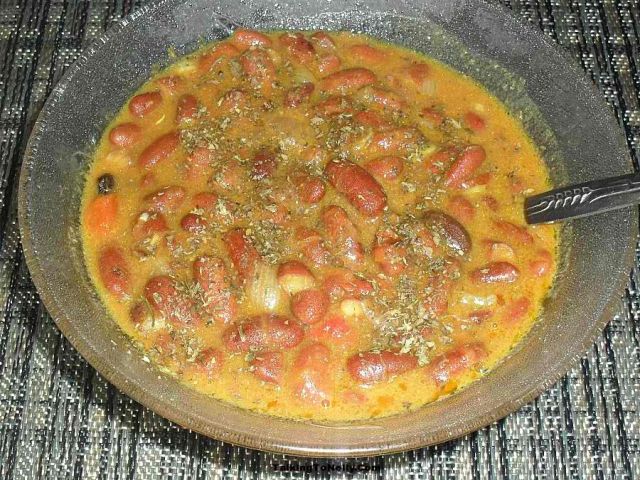
The coconut beans (maharagwe za nazi) are a poor but tasty and energetic dish of the tradition of the ethnic mijikenda that populates the Kenyan coast.
Depending on who prepares it, its taste and abundance of beans, it can be...
by redazione

After long agony, as a terminal patient to whom limbs and organ extracts are periodically cut, the Kenyan supermarket chain Nakumatt may have come to an end.
It is the big...
RECIPES
by redazione
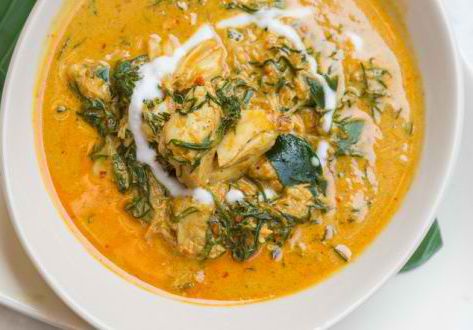
"Samaki wa kupaka ya nazi", that is literally "Cubes of coconut fish" is a traditional Swahili dish from Kenya, which uses various spices of ancient Indian origin to give it a taste. A very tasty version includes the "madras", the...

Another mouthwatering recipe from the portal of Italians in Kenya. Today we present the...
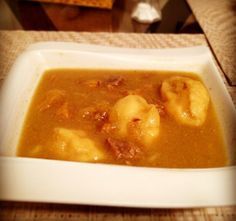
"Muhogo wa Nyama" (meat with cassava) is a typical dish of Kenyan cuisine. The cassava is a tuber completely similar to the manioc, it is used to make flour or potatoes, both fried and stewed. Its taste reminds a bit of...
KENYA NEWS
by Freddie del Curatolo

Some see it as a sign of the times, others as a sudden shock, but Carrefour's arrival in...

A large crowd, mixed as it is in the tradition of the multiethnic town, waited yesterday morning for...
RECIPES
by redazione

Vibibibi' are local pancakes made from rice and coconut milk.
"Vibibibi" in kiswahili means "ladies".
In the tradition of the Kenyan coast, they are used in particular for breakfast or as a sweet appetizer before lunch.
There are those who...
ECONOMICS
by redazione

The exponential increase in inflation since the beginning of the year in Kenya has led to an...
LOCAL RECIPES
by redazione
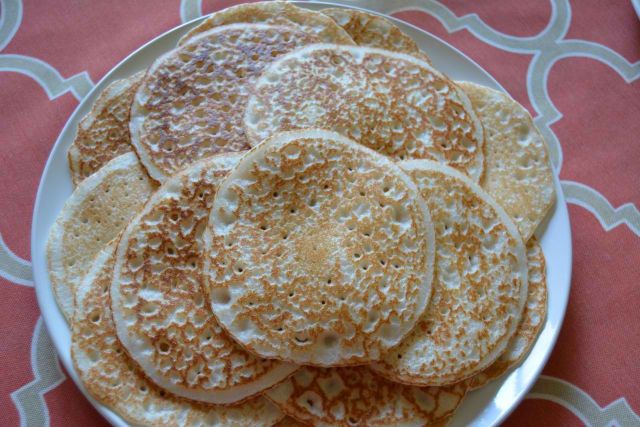
In Kiswahili, the word "vibibibi" means "young ladies."
This...

Soups are one of the specialties of Swahili cuisine. The creaminess and flavor resulting from combinations...


