
KENYA NEWS
11-04-2025 by redazione

With the arrival of the first rains, Kenya faces the usual bogeymen linked not only to weather conditions, but also to poverty, lack of hygiene and the unsustainability of urbanisation, which creates dirt and urban development with a latency of essential services. In short, the risk of bacteria and viruses is always very high during this period and it is even more dangerous than the ancestral malaria.
These days, a cholera epidemic, confirmed by the Ministry of Health, is the main topic of conversation.
In the few days since the news broke, the government has already had to confirm six deaths and a hundred serious cases in the capital Nairobi and in the western counties of Migori and Kisumu, on Lake Victoria. ‘The Ministry of Health reassures the population that the country is adequately prepared to manage and contain this epidemic’, said the Minister of Health, Aden Duale, adding that several operations are already underway to deal with the emergency, including the isolation of full-blown cases, community awareness campaigns and the distribution of basic necessities, such as mineral salts.
In the meantime, like Kenyan citizens, those who are in the country as residents or tourists are required to follow certain rules that are not only applicable to cholera and during this period, but for any possible infection and throughout the year: always wash your hands well, before and after meals or even simple snacks or drinks, and immediately after shaking hands or having other interactions with local people. But this might not be enough, because the bacterium known as ‘Vibrio cholera’ is not only transmitted through water, but also through food and the people who handle it. So, as well as washing your hands with soap and using drinking water to brush your teeth, it's a good idea to avoid raw or undercooked food, as well as street food or local restaurants that don't observe basic hygiene rules, such as washing dishes with rainwater or water of dubious origin.
Clearly those who are already immunised don't have this problem, but during the rainy season other minor diseases transmitted by humans and animals also appear.
Remember that the symptoms of cholera usually include the sudden onset of watery diarrhoea, vomiting, muscle cramps and severe dehydration, which often appear from 2 hours to 5 days after infection.


FREDDIE'S CORNER
by Freddie del Curatolo

At every start of the tourist season, those who live in Kenya and are not Kenyans, and thanks to the...
NEWS
by redazione

Kenya will decide what to do at the national level on 4 November after the resurgence ...
CORONAVIRUS
by redazione

Few tests in the last 24 hours but the percentage of positives in Kenya remains the same, with 95 ...

SHORT RAINS
by redazione

Kenya has been in the grip of bad weather for days now. No dramas, were it not for the...
WEATHER
by Freddie del Curatolo

Not only Tuscany and Italy. Unfortunately, the inclemency of the weather, in terms of continuous...
CORONAVIRUS
by redazione

Encouraging data for Monday, June 22, are "only" 59 positive out of 2,354 tests carried out in...

Pretty quiet day in Kenya for official Covid-19 positive cases...
NEWS
by redazione

Percentage more, percentage less of cases for swabs made, Kenya has been traveling ...
CORONAVIRUS
by redazione

A further 149 recorded cases of Covid-19 infection, reported on the afternoon of Friday 26 ...
CORONAVIRUS
by redazione

Positive cases of Covid 19 virus in Kenya rose to 189 yesterday, with five new patients in isolation, all...
KENYA NEWS
by Freddie del Curatolo
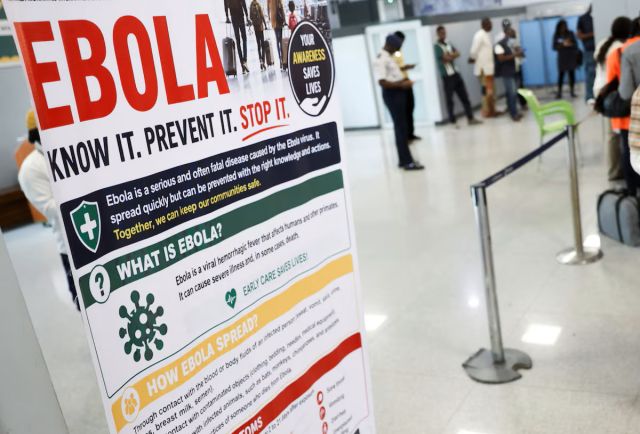
Kenya has recorded its second fatality from the Ebola outbreak. A 65-year-old woman, who had tested...

Within two weeks Kenya, like much of the rest of Africa, will be able to test for...

Kenya and the other countries of Sub-Saharan Africa remain taboo in Italy at least until...


