
EDITORIAL
03-07-2025 by Freddie del Curatolo

A new tourist season is upon us on the Kenyan coast, and Italians in particular are interested in destinations in Kilifi County: Watamu, Malindi and Mambrui, with the county capital Kilifi in the background.
Beyond the expectations, which are rightly high after a record season in terms of visitor numbers, the question on the minds of the tourism sector and the many people who live or spend long periods in these locations is whether the quality of life will keep pace with the success and appeal of the destinations.
In Watamu, for example, there are concerns about the electricity supply. During the last tourist season, the overload of activity, with hotels returning to full capacity after the pandemic years and the subsequent recovery, created imbalances that resulted in power cuts lasting entire days and sudden blackouts. This has convinced even the most resistant to equip themselves with generators, uninterruptible power supplies and inverters, or to switch to solar panels.
This year, the county government, backed by state funding, has launched two projects to resolve the issue. These are two electrical substations costing several billion shillings, one north of Malindi, between Kwa Ndomo and Sabaki, which aims to connect more than 20,000 households in various locations in the county to the national grid, and a second in the southern area of Kilifi, in Rabai, which will do the same as far as Watamu and Malindi. In particular, the Sabaki project is intended specifically for the hospitality sector, as Governor Mung'aro reiterated some time ago. The projects are part of the national programme called “Last Mile Connectivity”, which aims to gradually connect all detached networks to the national grid.
The other problem concerns water, which, with the expansion of tourism in Watamu and residential development in Malindi and Mambrui, can no longer depend solely on the Baricho plant, which draws from the Galana River aquifer at the exit of Tsavo East National Park.
Just a few days ago, the pipelines were extended to draw water from other points along the river. In particular, in Kakuyuni, in the immediate hinterland of Malindi. This caused lots of inconvenience with a week-long water shortage, but the work was completed at the end of last week and this should ensure (provided the plant is working properly) more “dedicated” water for the two coastal towns.
Unlike the electricity problem, this issue is undoubtedly also affected by climate change. The rainy season has been fairly regular, but the coming months of expected drought will determine whether or not there will be supply difficulties. For private properties, following the same logic as those investing in solar energy, it has now become necessary to dig wells and purchase desalination plants.
The situation regarding water, for example, underground and in the pipes, must be well known to anyone planning to buy a property, whether a villa or an apartment. Because, ultimately, the quality of your holiday and daily life depends fundamentally on water.
The third issue, perhaps less impactful on everyday life but ultimately essential for the health and even the “look” of tourist destinations, is waste disposal. The long-standing issue of the Mayungu landfill has not yet been resolved, other than attempts to limit illegal operations and toxic fumes in the area, as well as improving the lives of the poor families living in the surrounding area. However, no other possible areas have yet been identified to prevent the rubbish from Mambrui and Watamu from ending up in a landfill that can barely accommodate the waste from Malindi alone. Worse still, what happened last high season was that numerous small unofficial dumps were created, especially in Watamu, which not only undermined the environment and public health, but also created a dirty environment that led to the proliferation of rats, crows and other animals that would be better off not frequenting densely populated areas. It is the usual problem of progress and unsustainable growth, especially in these parts, where people think in terms of grand schemes (in Watamu, we have gone from the absurdity of a 70-storey skyscraper, fortunately now permanently stalled, to the nightmare of a nuclear power plant in Mida Creek). Meanwhile, nothing is being done to address the basic issues of civil, social and economic life for everyone.


ENVIRONMENT
by redazione
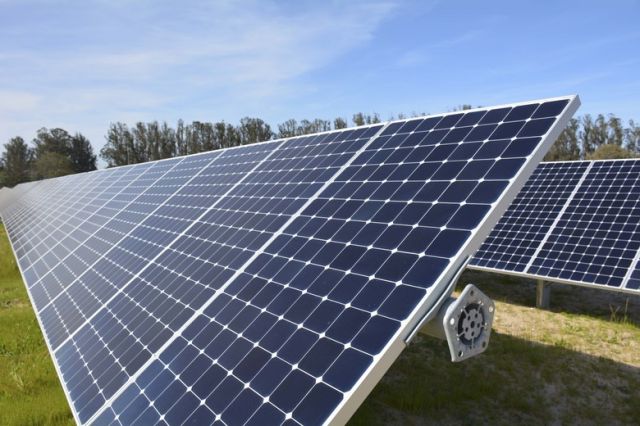
The first solar system that makes drinkable water from the Indian Ocean has been installed in Kiunga, in the...
ENERGY AND RISKS
by redazione

Kenya insists on nuclear energy, and aims to build its first power plant on the coast, starting...
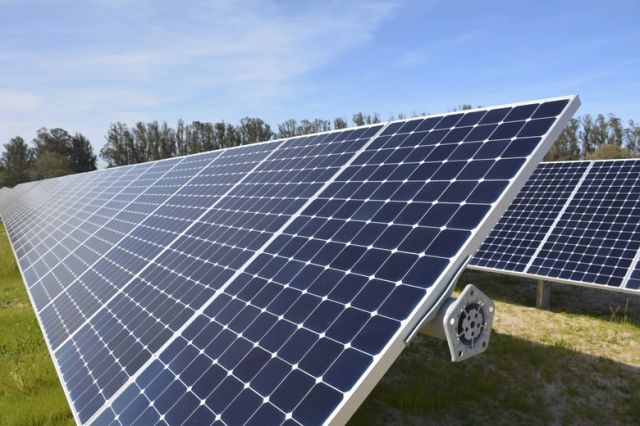
More and more companies, individuals and even public bodies in Kenya are relying on solar energy...
ENVIRONMENT
by Leni Frau

A site survey by the national leadership of the National Environmental Management Authority...

Beginning this year, presumably, Kenyan citizens and foreigners residing in Kenya will be able to legally...
KENYA NEWS
by Freddie del Curatolo

For years, Kenya has been telling the world about its commitment to renewable energy...
NEWS
by redazione

Kenya will be one of the few countries in the world from which the annular solar eclipse will...
NEWS
by redazione

After 55 years, the city of Mombasa is to all intents and purposes an island again, connected to...
NEWS
by redazione

Another step forward for Kenya in protecting the environment and against pollution: Daniel Arap Moi Airport in Mombasa is the first on the African continent...
ENVIRONMENT
by redazione

The situation of the Malindi dumpsite has become absolutely unbearable. It is no...
SOLIDARITY
by redazione

The world of Italian professional football has decided to help NGO Action Aid in its campaign to support...


