
KENYA NEWS
28-02-2026 by Freddie del Curatolo

Kenya is once again betting on its most ambitious railway project: the Standard Gauge Railway (SGR), the standard gauge line built with Chinese support that has already connected Mombasa to Nairobi and was subsequently extended to Naivasha. Work will officially begin next month on the Naivasha–Kisumu section, 264 kilometers that are set to change the country's logistics landscape and reignite the regional rail corridor project to Uganda.
The project, known as Phase 2B, is part of the broader infrastructure plan supported by China under the Belt and Road Initiative. The first phases of the SGR were carried out by the China Road and Bridge Corporation, with financing structured through Sino-Kenyan partnerships. Now Nairobi is relaunching, aiming to transform the railway into an economic axis capable of connecting the Indian Ocean to the Lake Victoria basin and, in the future, to the countries of inland East Africa.
According to Kenya Railways Managing Director Philip Mainga, the new line will provide a strategic link between the western region and the national transport system, with direct effects on the expansion of regional trade and the reduction of logistics costs for businesses and producers. The aim is to stimulate industrial parks, strengthen agricultural supply chains, and encourage investment in warehouses, cold storage, fishing, and manufacturing.
From a technical point of view, the project presents significant figures. Along the planned 264 kilometers, there will be 79 railway bridges with a total length of approximately 43 kilometers, eight tunnels for a total of 14 kilometers, and 376 culverts for another seven kilometers. In the initial phase, 26 stations are planned: one main station, six intermediate stations, and 18 junction stations. In addition, there will be a freight terminal and an 8.68-kilometer branch line to the port of Kisumu on Lake Victoria, including a bridge and eight hydraulic crossings.
The connection to Kisumu is a key element: the city overlooking Lake Victoria could become an intermodal hub between rail and lake transport, facilitating trade with Uganda and other countries in the region.
But every kilometer of track also carries the weight of recent history. The first phase of the SGR, between Mombasa and Nairobi, inaugurated in 2017, cost around $3.6 billion, largely financed through loans from the Export-Import Bank of China. The entire project to Naivasha exceeded $5 billion, making it the most expensive infrastructure project ever undertaken in Kenya since independence.
From the outset, the operation was controversial. On the one hand, the government presented it as a symbol of the country's modernization, capable of drastically reducing travel times and easing road freight traffic between the port and the capital. On the other hand, economists and the opposition raised doubts about the financial sustainability of the project, the costs that had risen above initial estimates, and the real profitability of the line.
The issue of debt to China has become a sensitive political issue over the years. Loan repayments have had a significant impact on the public budget, fueling debate about financial dependence on Beijing and the need to make the infrastructure economically self-sufficient. Certain contractual clauses, which remained opaque for a long time, also contributed to making the SGR the subject of criticism and parliamentary questions.
Today, with the launch of the route to Kisumu, the government seems to want to relaunch the gamble: completing the corridor to increase traffic volumes and make the initial investment more sustainable in the long term. The idea is that only by extending the line to Lake Victoria and the Ugandan border can the SGR truly be transformed into a regional backbone capable of generating sufficient revenue to justify the enormous initial outlay.
So there remains a double narrative. On the one hand, the promise of development, integration, and growth for the Lake Region and for the whole of East Africa. On the other, the memory of an operation that inflated public debt and divided public opinion. The new phase of the railway will not only be a construction site for bridges and tunnels, but also a political and economic test bed for Kenya's future.


China's harsh stop to Kenya's lending.
The government in...

The Chinese said yes.
After financing the standard gauge railway line from Mombasa to Nairobi, they will...
NEWS
by redazione

For those arriving in Kenya in the coming days, a cakewalk. For those living there and particularly Kenyan...

Suggestive, supporting tourism and saving for the traffic of Mombasa, even if difficult to realize.
The project for a railroad that unites the tourist towns of Diani and Malindi exists and is part of the first electoral manifesto, in the...
NEWS
by redazione

It will be the most important Chinese connectivity company to give fast internet through fiber optics to Kenya.
The agreement was initialled by Huawei and the Kenyan Government yesterday in Nairobi.
ECONOMIC
by redazione
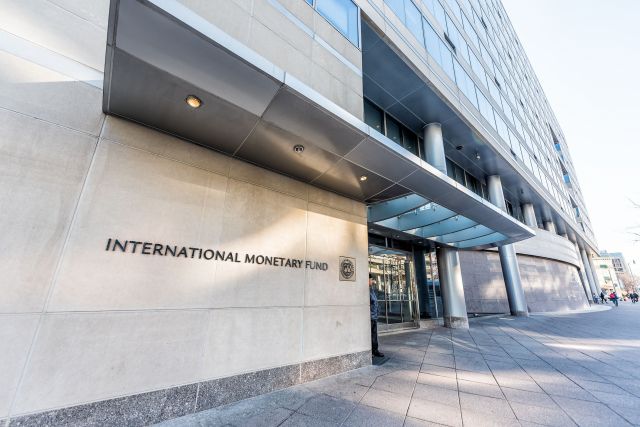
"Don't lend Kenya any more money!"
The heartfelt and seemingly...
POLITICS
by Freddie del Curatolo

His name is George Wajackoyah and he is one of the four candidates for Kenya's presidency in the upcoming...
NEWS
by redazione

According to Kenyan trade unions and human rights activists, China is preparing to get...
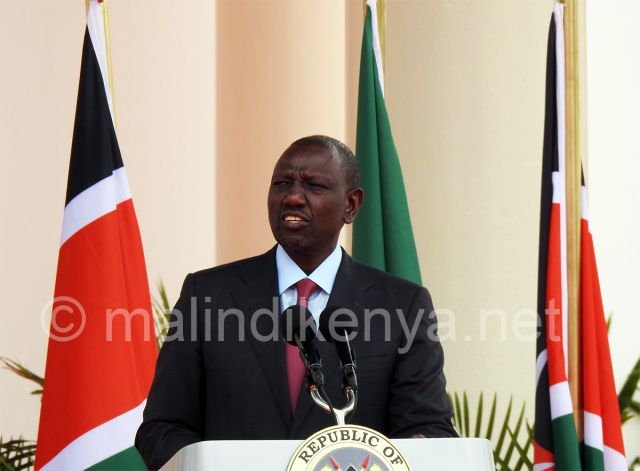
The difficult period for the Kenyan economy may have reached its climax and now begin its downward...
ECONOMICS
by Freddie del Curatolo
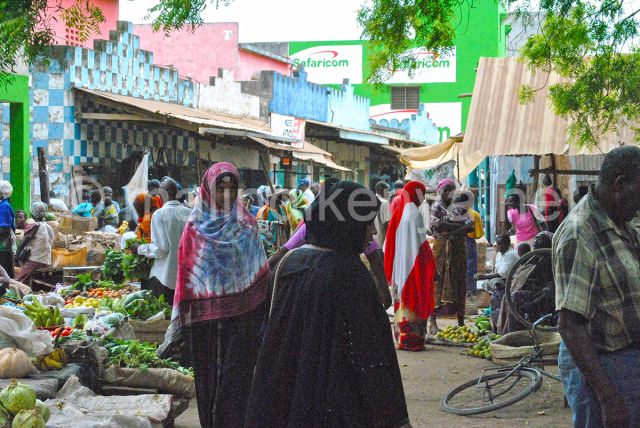
Kenya is no longer at risk of economic default. At least that is the authoritative view of its first...


